BYD has rapidly transformed from a relatively unknown Chinese battery manufacturer into one of the most influential companies in the global automotive industry. In only a few decades, the company has expanded from rechargeable batteries into electric vehicles, plug-in hybrids, energy storage, electronics and transportation technologies, creating an industrial ecosystem that few traditional automakers can replicate.
In 2026, BYD is no longer simply a Chinese alternative to established automotive brands. It has become a major global force in new-energy vehicles, with an increasingly international product lineup and technology portfolio covering batteries, electric motors, power electronics, intelligent driving and ultra-fast charging.

The scale of its expansion is remarkable. BYD says its 17 millionth new-energy vehicle rolled off the production line in July 2026. During the first half of 2026 alone, the company reported sales of more than 1.8 million vehicles, including 789,367 passenger vehicles and pickups sold overseas. (BYD Global)
Those numbers reveal something important about the transformation of the global automotive industry. The question is no longer whether Chinese manufacturers can compete with established Western, Japanese and Korean car companies.
They already are.
The more interesting question is how far companies such as BYD can expand and whether the technologies they are developing will help define the next generation of automobiles.
What Is BYD?
BYD is a Chinese technology and manufacturing group headquartered in Shenzhen. The company says it was founded in November 1994 and today operates across automobiles, electronics, new energy and rail transportation. It has also established more than 30 industrial parks around the world. (BYD Global)
The letters BYD are commonly associated with the phrase Build Your Dreams, which has become closely connected with the company’s international branding.
However, thinking of BYD purely as a car manufacturer misses much of what makes the company unusual.
BYD’s origins are in batteries.
That history has become strategically important because the battery is one of the most expensive and technologically critical components of an electric vehicle.
Traditional automakers spent decades mastering internal combustion engines, transmissions and mechanical engineering. BYD entered the automotive revolution from a different direction. It already understood batteries and gradually built the rest of the vehicle around that expertise.
This difference helps explain why BYD has become such an important player in the electric vehicle market.
From Batteries to Cars: The Story Behind BYD
BYD began with rechargeable batteries rather than automobiles. Its historical timeline shows that the company expanded rapidly through battery manufacturing before entering the automotive sector in 2003 through the acquisition of a Chinese automaker. Its first BYD-branded F3 sedan arrived in 2005. (BYD Global)

The move initially appeared ambitious.
Building batteries and building automobiles are very different businesses. Cars require enormous manufacturing facilities, sophisticated supply chains, safety testing, engineering expertise and large distribution networks.
But BYD saw something that would eventually reshape the industry.
If transportation became increasingly electric, batteries would move from being one component among many to becoming one of the central technologies determining a vehicle’s cost, performance, range and safety.
That prediction proved remarkably important.
Instead of competing only on traditional mechanical engineering, BYD could combine battery knowledge with electric motors, electronics and vehicle manufacturing.
Over time, the company developed greater control over the critical technologies inside its vehicles.
Why BYD Is Different From Many Traditional Automakers
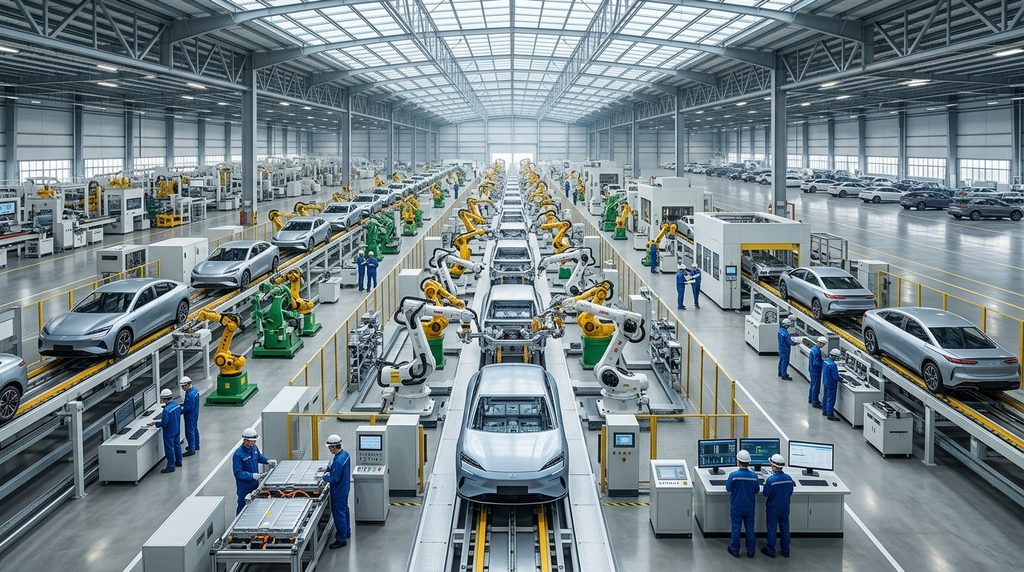
One of BYD’s biggest competitive advantages is vertical integration.
The automotive industry traditionally relies on enormous supplier networks. A manufacturer may design and assemble the vehicle while purchasing many critical components from specialized suppliers.
BYD follows a more vertically integrated strategy.
The company develops technologies covering batteries, electric motors and electronic controls, which it identifies as the three core technologies of new-energy vehicles. (BYD Global)
This approach can provide several advantages.
Greater internal control can help coordinate development between components. Battery engineers can work alongside vehicle engineers. Power electronics can be optimized around the battery architecture. Manufacturing can be designed around the company’s own technologies.
Vertical integration can also provide strategic resilience when supply chains become difficult.
The semiconductor shortages experienced across the automotive industry earlier in the decade demonstrated how dependent modern vehicles are on electronics.
As cars become increasingly electric and software-driven, controlling critical technology becomes even more valuable.
The Blade Battery Changed BYD’s Reputation
One technology has become particularly associated with BYD: the Blade Battery.
BYD introduced its Blade Battery in 2020 using lithium iron phosphate chemistry, commonly abbreviated as LFP. The battery was designed with a distinctive structural approach that allowed long cells to be arranged efficiently inside the battery pack.
Safety became one of the major marketing points.
BYD demonstrated the Blade Battery using a nail penetration test, an aggressive test intended to simulate severe internal battery damage. The company subsequently expanded Blade Battery deployment across its battery-electric models. (BYD Global)
But the significance of the Blade Battery extends beyond one safety demonstration.
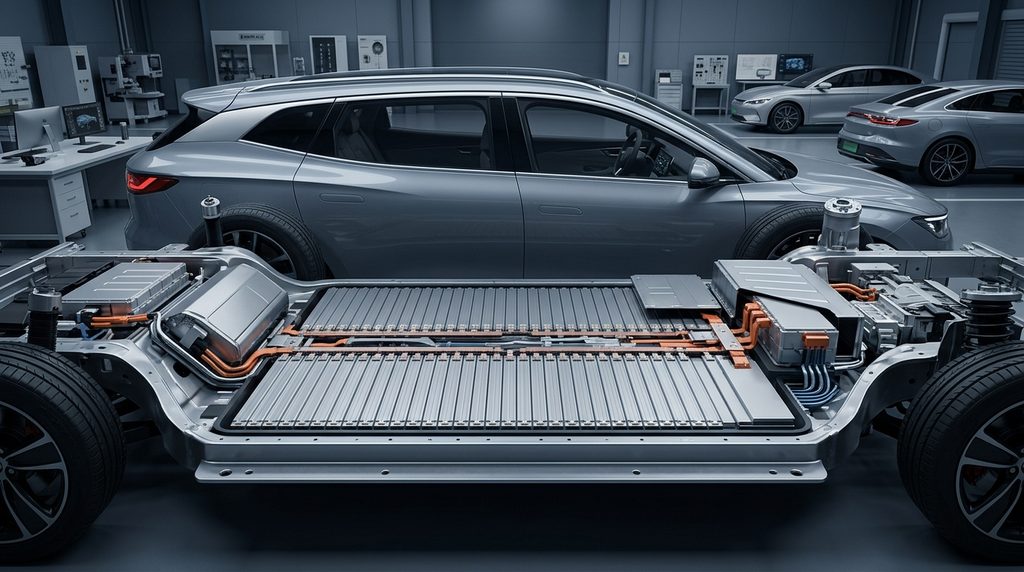
It represents BYD’s philosophy of treating battery technology as part of the vehicle architecture rather than simply purchasing a generic battery pack from an external supplier.
Battery packaging affects weight.
It affects interior space.
It affects manufacturing cost.
It affects vehicle structure.
It affects range.
It affects safety.
A company controlling both the battery and the vehicle can optimize these factors together.
The Second Generation Blade Battery Arrived in 2026
BYD took another major step in March 2026 when it announced its second-generation Blade Battery alongside a new flash-charging system.
According to BYD, the new technology can charge a compatible battery from 10 percent to 70 percent in approximately five minutes and from 10 percent to 97 percent in nine minutes under appropriate conditions. BYD also claims strong charging performance at temperatures as low as minus 30 degrees Celsius. (BYD Global)
These are manufacturer claims and real-world charging performance will naturally depend on factors including battery temperature, charging infrastructure, vehicle configuration and conditions.
Still, the direction is extremely important.
One of the biggest perceived disadvantages of electric cars has always been charging time.
A gasoline vehicle can receive hundreds of kilometers of additional range after spending only a few minutes at a fuel station.
Electric vehicles traditionally require considerably longer.
If technologies such as BYD’s new charging architecture can make extremely rapid charging reliable, widespread and affordable, one of the psychological barriers separating EVs from combustion cars begins to disappear.
Five-Minute Charging Could Change How People Think About EV Range
Electric vehicle manufacturers have spent years competing over maximum range.
Four hundred kilometers.
Five hundred kilometers.
Six hundred kilometers.
Then increasingly larger numbers.
But enormous batteries create their own problems.
They cost more.
They weigh more.
They require more raw materials.
They take longer to charge.
Ultra-fast charging could eventually change the equation.
Instead of asking how far an EV can travel without stopping, consumers may begin asking how quickly useful range can be restored.
If a car can add a substantial amount of energy during a short coffee stop, owning an EV becomes psychologically closer to owning a conventional car.
That could eventually make charging speed more important than extreme battery capacity.
Charging Infrastructure Is the Other Half of the Problem
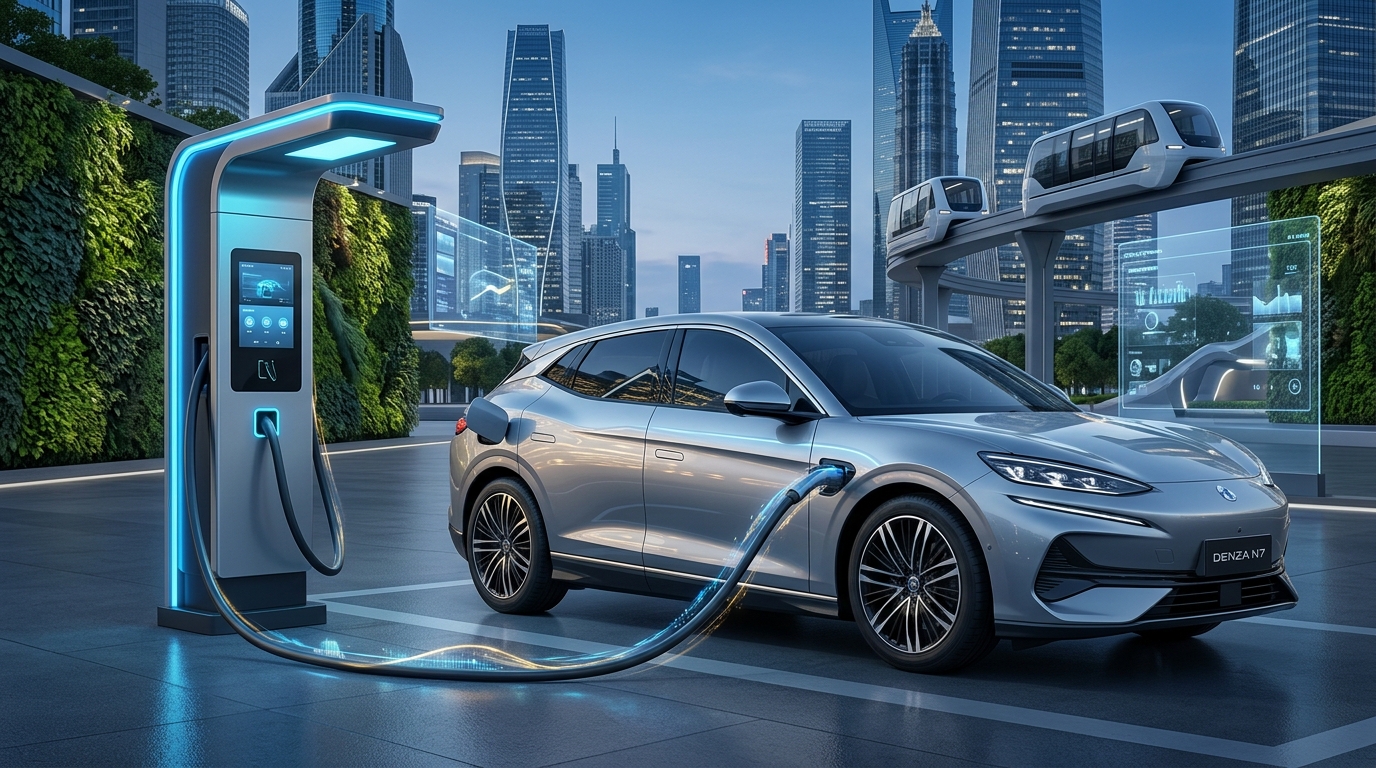
A vehicle capable of extremely fast charging is useless without chargers capable of delivering the required power.
BYD understands this.
Alongside its second-generation Blade Battery announcement, the company announced a strategy to build 20,000 flash-charging stations in China by the end of 2026 and said overseas deployment would begin at scale later in the year. (BYD Global)
This illustrates an important development in the electric vehicle industry.
Car manufacturers are becoming infrastructure companies.
Tesla demonstrated the strategic importance of charging networks through its Supercharger ecosystem. BYD now appears increasingly interested in controlling more of the charging experience around its own vehicles.
The future automotive competition may therefore involve more than who builds the best car.
It may involve who builds the best vehicle, battery, software and charging ecosystem together.
BYD Seal: The Sedan That Changed International Perception
The BYD Seal has become one of the company’s most recognizable international vehicles.
Its significance goes beyond sales.
For many consumers outside China, earlier Chinese cars were often associated primarily with affordability.
The Seal challenged that perception.
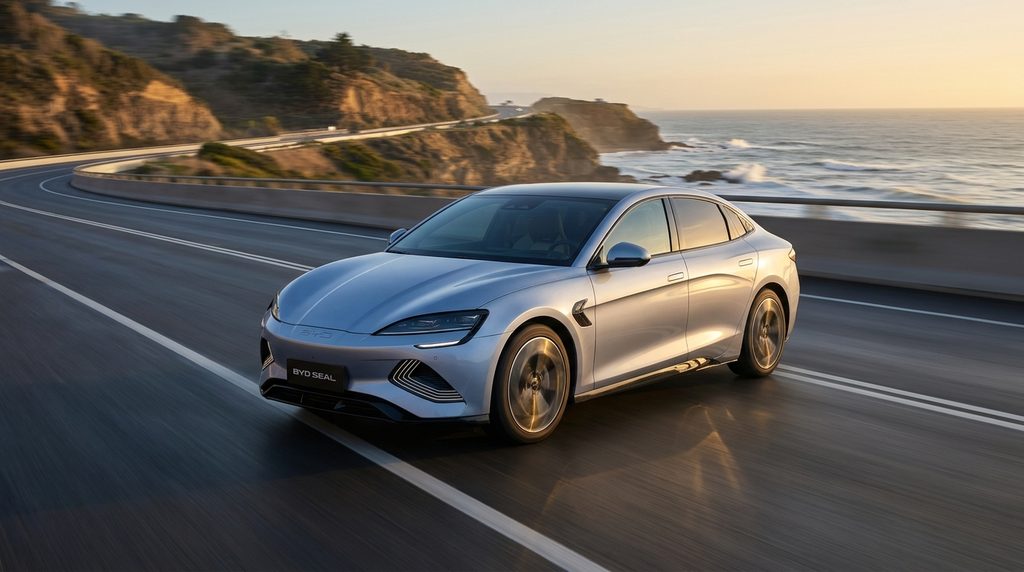
Its design, performance, electric architecture and technology positioned BYD against much more established global competitors.
Instead of selling a vehicle purely because it was cheaper, BYD increasingly attempted to sell a vehicle because consumers genuinely wanted it.
That distinction matters enormously.
Price can help a company enter a market.
Desirability helps build a brand.
BYD increasingly needs both.
BYD Dolphin Demonstrates the Importance of Affordable EVs
At the other end of the market, the BYD Dolphin demonstrates why smaller electric vehicles could be even more strategically important.
Premium EVs attract headlines.
Affordable EVs transform markets.
A luxury electric sedan costing tens of thousands of dollars may demonstrate technological capability, but it remains inaccessible to much of the world’s population.
Smaller vehicles can bring electrification to a much broader group of consumers.
This is particularly important in cities.
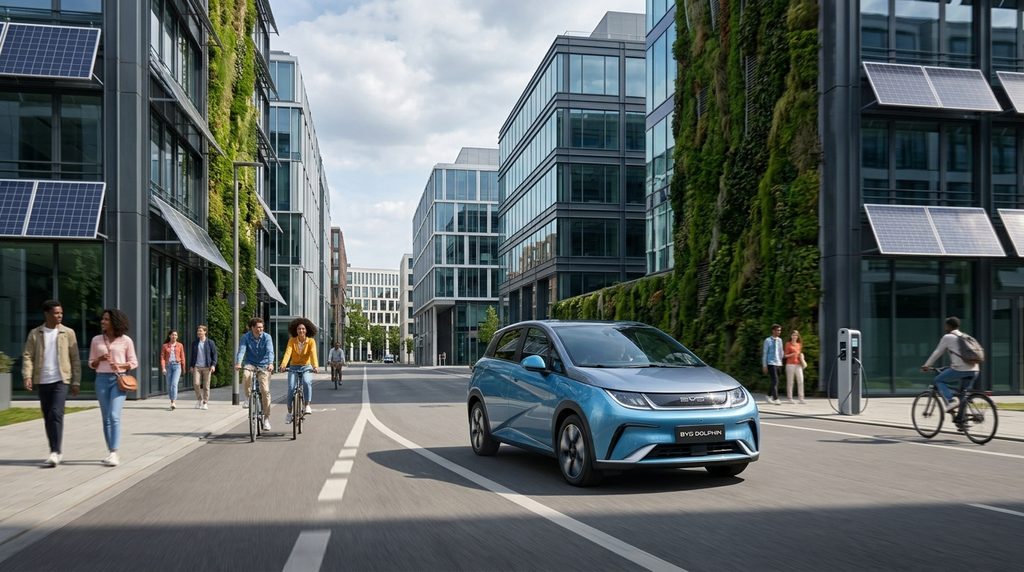
Many urban drivers do not need enormous SUVs or batteries designed for exceptionally long journeys.
They need practical transportation.
Efficiency.
Reliability.
Reasonable charging.
Useful interior space.
Affordable ownership.
BYD’s ability to operate across multiple price segments gives it a significant advantage as the global EV market expands.
BYD Atto 3 Helped Build the Company’s Global Presence
The BYD Atto 3, known as Yuan Plus in China, has played an important role in BYD’s expansion into international markets.
Compact SUVs are extremely popular worldwide, making the category strategically important for any manufacturer seeking global scale.
The Atto 3 combines BYD’s electric architecture and Blade Battery technology with a format familiar to consumers accustomed to crossover vehicles.
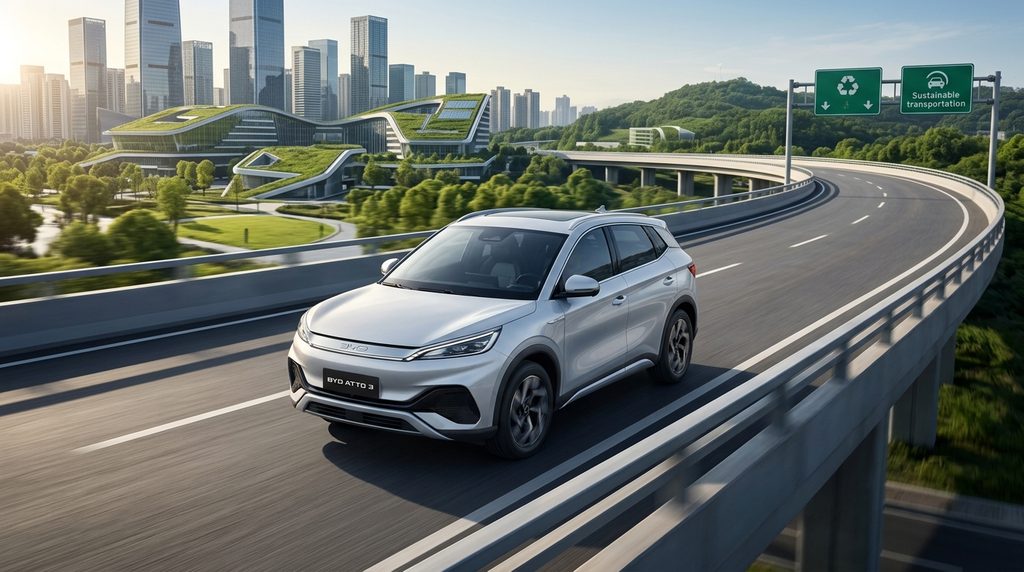
This illustrates another important part of BYD’s strategy.
The company is not attempting to force every consumer into futuristic experimental vehicles.
Instead, it often places new electric technology inside recognizable vehicle categories.
Sedans.
Compact hatchbacks.
SUVs.
Family vehicles.
Performance cars.
That broad portfolio allows BYD to compete for very different customers.
BYD Is Much More Than One Brand
As BYD expands, its automotive strategy has become increasingly segmented.
The core BYD brand covers mainstream and increasingly premium vehicles, while the broader group has developed additional marques aimed at different customers and price points.
This strategy resembles traditional automotive groups that operate several brands under one corporate structure.
The objective is straightforward.
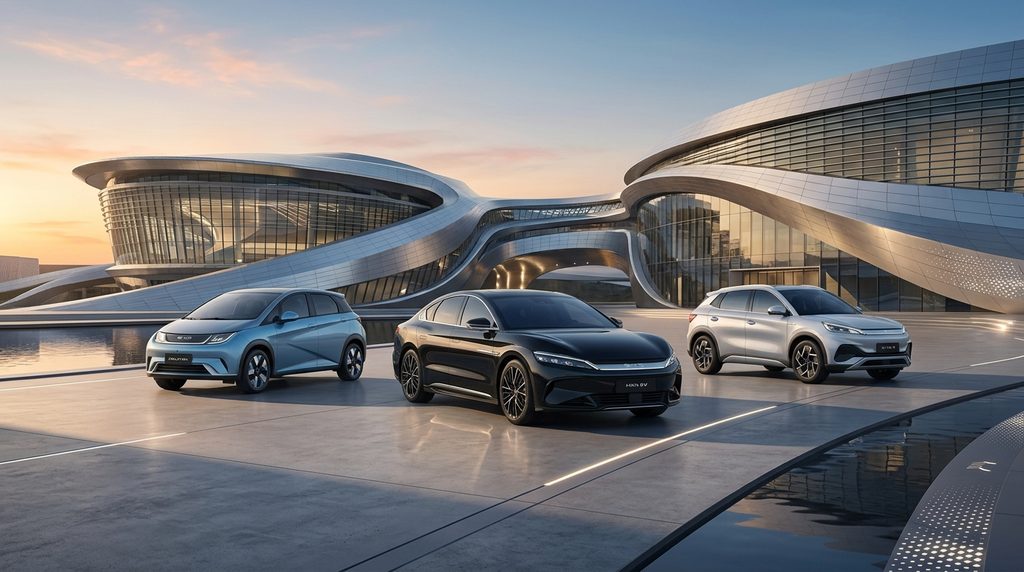
A customer shopping for an affordable city car has different expectations from someone considering a high-performance luxury vehicle.
Trying to satisfy both customers using exactly the same branding can become difficult.
Multiple brands allow BYD to move upward into premium categories without abandoning the enormous mainstream market that helped create its scale.
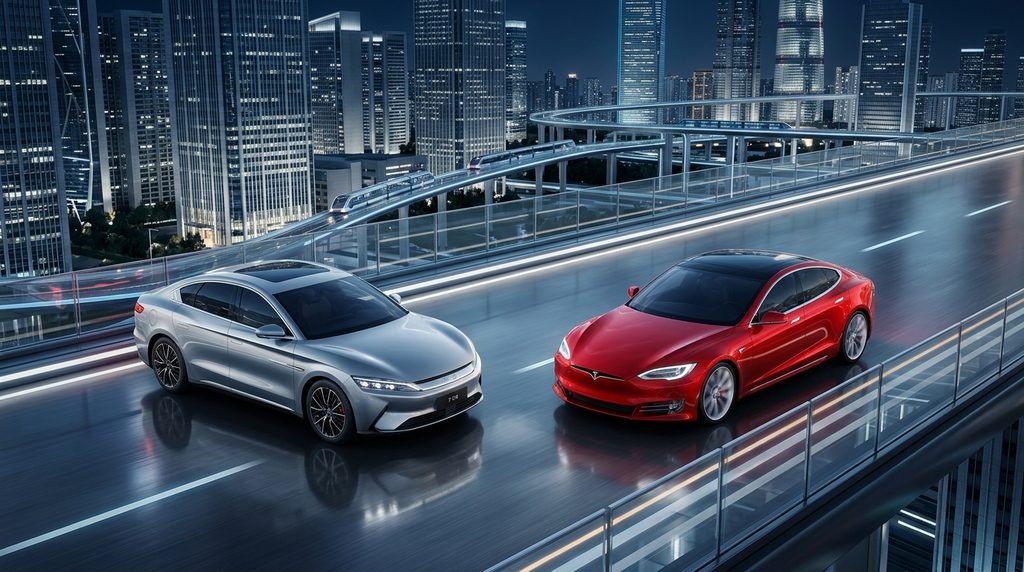
BYD vs Tesla: The Comparison Everyone Makes
Any discussion of BYD eventually leads to Tesla.
The comparison is understandable because both companies are central to the modern EV industry.
But their histories and strategies are very different.
Tesla began as an electric vehicle company attempting to disrupt the traditional automobile industry through software, battery-powered vehicles, direct sales and charging infrastructure.
BYD began as a battery manufacturer and gradually built an enormous industrial ecosystem around electrified transportation.
Tesla has historically concentrated heavily on battery-electric vehicles.
BYD has built substantial businesses in both battery-electric vehicles and plug-in hybrids, which China categorizes together as new-energy vehicles.
That difference matters when comparing sales figures.
Statements claiming one company has simply “sold more electric cars” can become misleading if battery-electric vehicles and plug-in hybrids are combined without explanation.
Good comparisons need to separate categories.
BYD’s Greatest Weapon Against Tesla May Be Its Product Range
Tesla’s relatively concentrated model lineup creates manufacturing advantages.
BYD takes almost the opposite approach.
Its range spans multiple vehicle sizes, body styles, powertrains and price levels.
This allows BYD to compete for customers Tesla may not currently target directly.
Someone looking for a smaller affordable electric hatchback has different needs from a buyer considering a premium electric sedan.
Someone living in an area with limited charging infrastructure may prefer a plug-in hybrid.
BYD can address all of these consumers.
This diversification can help the company adapt to markets where full battery-electric adoption develops at different speeds.
Plug-In Hybrids Are an Important Part of BYD’s Success
BYD’s growth cannot be understood by looking only at fully electric cars.
Its plug-in hybrid technology is also extremely important.
A plug-in hybrid combines a rechargeable battery and electric drive capability with an internal combustion engine.
For consumers with reliable charging at home, much daily driving can potentially happen electrically.
For longer trips, the combustion engine provides additional flexibility.
Purists sometimes see plug-in hybrids as transitional technology.
From a commercial perspective, however, they can solve a real consumer problem.
Not every country has dense charging infrastructure.
Not every household can install a charger.
Not every buyer is comfortable relying entirely on public charging.
Plug-in hybrids can therefore provide an intermediate step toward greater electrification.
BYD Stopped Producing Pure Combustion Cars
One of the clearest demonstrations of BYD’s commitment to electrification came in 2022 when the company stopped producing vehicles powered exclusively by internal combustion engines.
That didn’t mean engines disappeared completely from BYD vehicles because plug-in hybrids still use them.
But it meant every new passenger vehicle produced by the company would contain some form of electrified drivetrain.
This was an unusually aggressive strategic decision for a large automaker.
Traditional manufacturers need to manage enormous existing investments in engine manufacturing.
BYD‘s history gave it fewer reasons to protect the traditional combustion business.
It could move faster toward electrification because batteries and electric systems were already central to its identity.
BYD’s 2025 Numbers Show How Large the Company Has Become
The scale is increasingly difficult to describe as a niche EV story.
According to BYD, the company generated approximately RMB 804 billion in revenue during 2025 and sold about 4.6 million new-energy vehicles during the year. BYD also reported RMB 63.4 billion in research and development spending for 2025. (BYD Global)
That R&D figure is especially important.
Automotive competition increasingly depends on technology.
Battery chemistry.
Semiconductors.
Electric motors.
Power electronics.
Autonomous-driving systems.
Artificial intelligence.
Software.
Manufacturing automation.
Charging.
Companies that fail to invest aggressively risk falling behind across several technologies simultaneously.
BYD’s enormous research budget demonstrates that it isn’t trying merely to manufacture cars cheaply.
It wants to develop the technologies inside them.
Seventeen Million New-Energy Vehicles Is a Symbolic Milestone
In July 2026, BYD announced production of its 17 millionth new-energy vehicle.
The milestone is particularly striking when compared with the company’s earlier history. BYD celebrated its one-millionth new-energy vehicle in 2021. (BYD Global)
Going from one million to seventeen million illustrates how rapidly EV and plug-in hybrid production has scaled.
It also creates manufacturing advantages.
Large production volumes generate data.
Factories improve.
Supply chains mature.
Costs can fall.
Engineering teams receive feedback from millions of real vehicles.
This is one reason scale matters so much in the automotive industry.
Selling millions of cars isn’t only the result of competitiveness.
It can become a source of future competitiveness.
BYD Is Expanding Beyond China
The next chapter of the BYD story is international.
China remains fundamental to the company’s scale, but BYD increasingly wants to become a global automotive brand.
The first half of 2026 provides a strong indication of that ambition. BYD reported 789,367 overseas passenger vehicle and pickup sales during the period, representing 68 percent year-on-year growth. (BYD Global)
International expansion is strategically essential.
A company that dominates only its home market can be enormous.
A company that succeeds across Europe, Latin America, Southeast Asia, the Middle East and other regions can become a genuine global automotive institution.
But international expansion creates new challenges.
Europe Will Be One of BYD’s Most Important Tests
Europe is an attractive but difficult market.
Consumers have decades of experience with established brands.
Safety expectations are high.
Regulations are strict.
Company-car markets influence buying patterns.
Charging infrastructure varies between countries.
Brand reputation matters.
BYD therefore cannot depend solely on price.
It needs to convince European consumers that its vehicles can compete in quality, technology, safety, design, resale value and ownership experience.
This is why vehicles such as Seal, Dolphin and Atto 3 matter.
They aren’t simply products.
They are ambassadors for a Chinese brand trying to establish trust in markets where many consumers had barely heard of BYD a few years earlier.
Chinese EVs Are Changing the Global Automotive Balance
For decades, the global automobile industry was dominated by companies from Europe, the United States, Japan and South Korea.
China became the world’s largest automotive market, but Chinese brands initially had limited influence outside their home country.
Electric vehicles changed the competitive environment.
The technologies defining an EV are different from those defining a combustion vehicle.
Battery expertise became more important.
Power electronics became more important.
Software became more important.
Advanced manufacturing became more important.
Traditional engine expertise became less decisive.
This gave Chinese companies an opportunity to compete on a new technological playing field.
BYD is one of the clearest examples.
BYD’s Advantage Is Not Simply Cheap Labor
Describing BYD’s success simply as the result of lower manufacturing costs misses the larger story.
Cost competitiveness certainly matters.
But BYD has also invested deeply in engineering and manufacturing integration.
Its expertise spans batteries, electronics, electric motors, vehicle architecture and energy technologies.
The company has research institutes covering automotive engineering, intelligent automotive systems, materials and other technological fields. (BYD Global)
This helps explain why BYD can introduce new technologies quickly.
A company controlling more of its technological stack can potentially coordinate innovation across multiple systems.
That doesn’t guarantee every product will be superior.
But it creates a powerful development environment.
Software Is Becoming the Next Automotive Battlefield
The first stage of the EV revolution focused heavily on batteries and electric drivetrains.
The next stage increasingly involves software and intelligence.
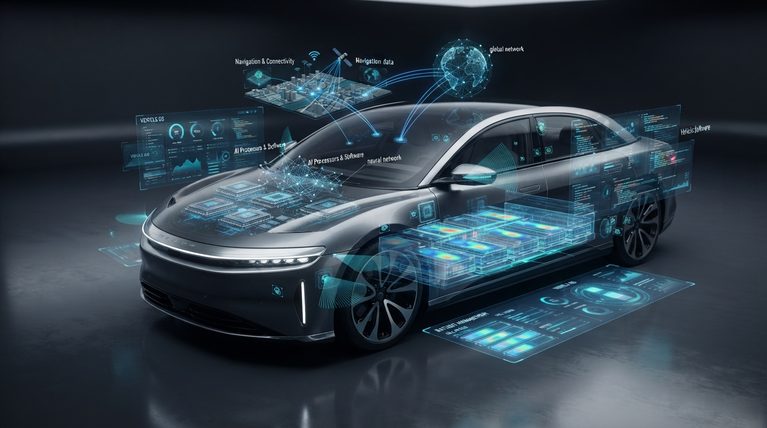
Modern vehicles are becoming computers on wheels.
Cameras monitor the environment.
Sensors detect surrounding objects.
Processors interpret information.
Software manages energy.
Navigation predicts charging requirements.
Driver-assistance systems influence steering and braking.
Artificial intelligence increasingly connects these systems.
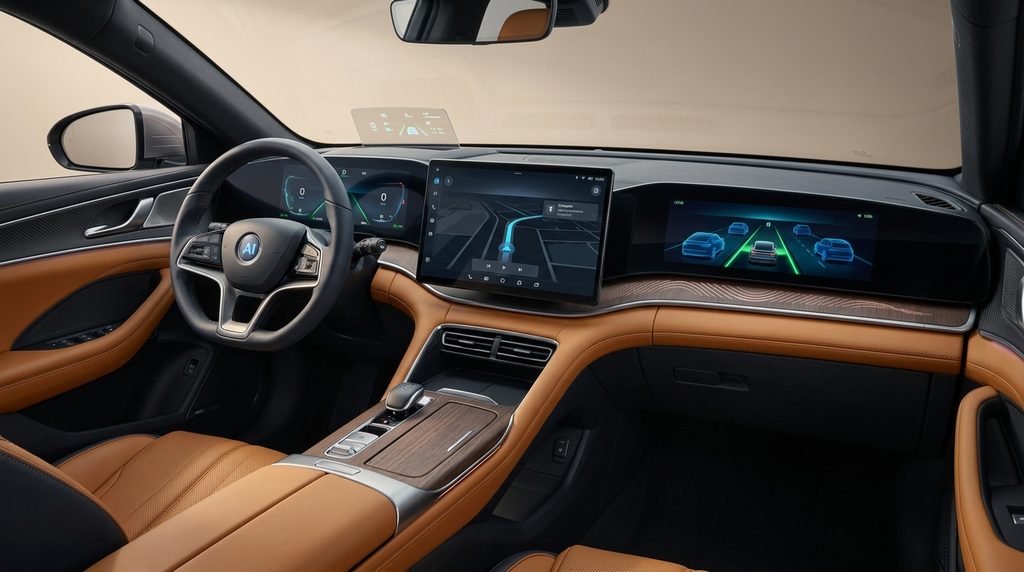
BYD has therefore been investing in intelligent vehicle technologies alongside electrification.
This transition is critical because future consumers may judge vehicles as much by their software experience as by horsepower or acceleration.
A technically excellent EV with poor software can feel outdated quickly.
Autonomous Driving Creates a New Challenge
Driver assistance and autonomous-driving technology represent an area where competition is intensifying dramatically.
Tesla has spent years making software and autonomous-driving ambitions central to its identity.
Chinese technology companies and automakers are also investing heavily in intelligent-driving systems.
BYD announced further expansion of its driver-assistance technology during 2026, including wider availability of its God’s Eye systems across its range. (BYD Global)
The important word remains assistance.
Current consumer vehicles still require appropriate driver supervision depending on the system and market.
Marketing terminology should never be confused with fully autonomous driving.
Nevertheless, the direction is obvious.
The next major automotive race won’t only be about who builds the best battery.
It will also be about who builds the most capable, safe and reliable automotive intelligence.
BYD Could Become an Energy Company as Much as a Car Company
Another reason BYD is fascinating is that its technologies extend beyond transportation.
The company operates in energy storage and battery manufacturing in addition to vehicles. Its broader strategy connects energy generation, storage and consumption. (BYD Global)
This could become increasingly important.
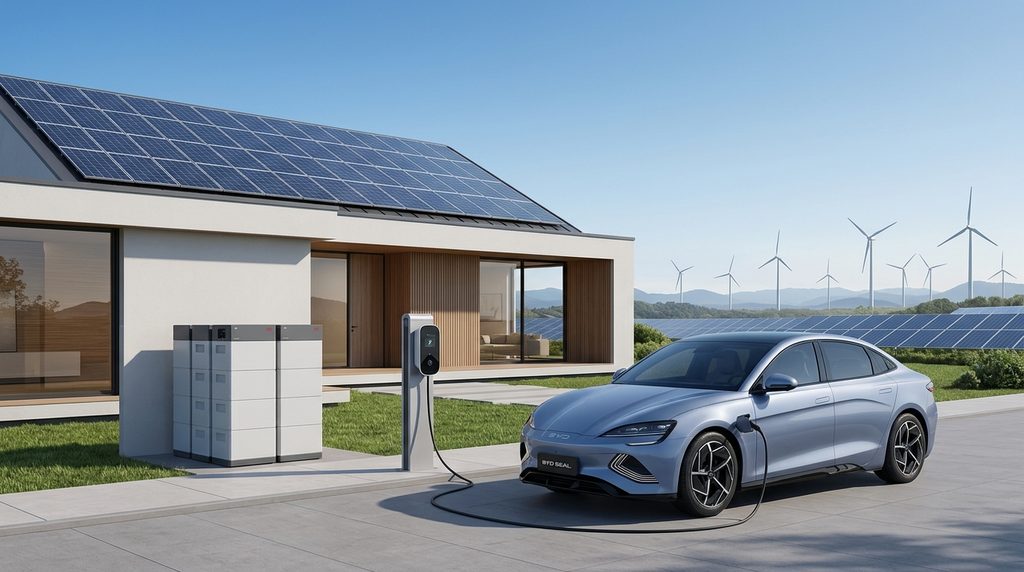
Imagine a future home with rooftop solar panels, stationary battery storage and an electric vehicle.
Electricity is generated during the day.
Some powers the home.
Some charges the stationary battery.
Some charges the vehicle.
The car may eventually participate in bidirectional energy systems.
Transportation becomes connected directly to the electricity infrastructure.
A company with expertise across batteries, vehicles and energy storage is positioned differently from a manufacturer focused exclusively on assembling automobiles.
The Biggest Challenges Facing BYD
Rapid growth doesn’t guarantee permanent dominance.
BYD faces serious challenges.
International expansion requires factories, distribution, servicing, spare parts and brand awareness.
Geopolitical tensions can produce tariffs and regulatory barriers.
Competition inside China is extraordinarily intense.
EV technology changes rapidly.
Consumers expect continuous software improvement.
Established manufacturers are investing billions to catch up.
Other Chinese manufacturers are competing aggressively as well.
BYD therefore needs to maintain its technological momentum while simultaneously building a global brand.
That is difficult even for a company with enormous resources.
Brand Image May Be Harder to Build Than a Battery
Engineering can be accelerated through investment.
Brand heritage takes time.
Mercedes-Benz, BMW, Porsche, Toyota and other established manufacturers have spent decades creating emotional relationships with consumers.
People don’t always purchase vehicles through purely rational calculations.
Design matters.
Status matters.
History matters.
Motorsport matters.
Childhood memories matter.
Resale reputation matters.
BYD can compete aggressively on specifications and price, but becoming an aspirational brand in every market requires more.
This is why design, premium sub-brands and long-term customer experience will become increasingly important.
Is BYD Better Than Tesla?
There is no universal answer.
BYD and Tesla have different strengths.
BYD offers an exceptionally broad vehicle range, significant battery expertise, extensive vertical integration and both battery-electric and plug-in hybrid products.
Tesla has enormous brand recognition in EVs, a highly developed software identity, its charging ecosystem in many markets and years of experience designing vehicles around a software-first philosophy.
The better choice depends on the vehicle, country, price, charging network and individual buyer.
The more interesting conclusion is that Tesla no longer defines the EV revolution alone.
Competition has become much broader.
And BYD is one of the companies forcing that change.
Is BYD the Future of the Automotive Industry?
BYD alone will not define the future of transportation.
But its rise demonstrates what the future automotive company may look like.
It may manufacture batteries.
It may design semiconductors.
It may develop software.
It may operate charging infrastructure.
It may produce energy-storage systems.
It may use artificial intelligence.
And somewhere inside this enormous technology ecosystem, it will also manufacture cars.
That is fundamentally different from the twentieth-century automobile company.
The car is becoming the final product of a much larger technology stack.
BYD understood this transition unusually early.
What Could BYD Look Like by 2030?
If current trends continue, BYD could become even more international by the end of the decade.
Its overseas manufacturing footprint could expand.
Its charging ecosystem could grow.
Battery technology will continue evolving.
Artificial intelligence and driver assistance will become more central.
Premium models could strengthen the company’s brand image.
Affordable EVs could bring BYD into markets where electric cars remain relatively expensive today.
But nothing is guaranteed.
The automotive industry is entering an unusually competitive period.
Tesla will continue developing.
European manufacturers are restructuring their EV strategies.
Toyota and other Japanese companies are investing in next-generation batteries.
Hyundai and Kia remain aggressive.
Chinese competitors are moving rapidly.
Technology companies may enter deeper into vehicle software and autonomous systems.
The winner of the EV revolution may therefore not be one company.
Consumers could ultimately be the biggest winners as competition accelerates innovation.
Final Verdict: BYD Is No Longer the Challenger
The most remarkable thing about BYD is how quickly the conversation surrounding the company has changed.
A decade ago, many international consumers had never heard of it.
Several years ago, it was often described simply as a Chinese EV challenger.
In 2026, that description is increasingly outdated.
BYD has become one of the companies against which other new-energy vehicle manufacturers must measure themselves.
Its journey from rechargeable batteries to millions of electrified vehicles illustrates the transformation happening across the global automobile industry.
The Blade Battery gave BYD a recognizable technological identity.
Its electric and plug-in hybrid platforms expanded its customer base.
Models such as the Seal, Dolphin and Atto 3 helped introduce the company internationally.
Vertical integration gave it greater control over critical components.
And the second-generation Blade Battery and ultra-fast charging technology announced in 2026 demonstrate that BYD isn’t slowing its investment in electrification. (BYD Global)
Perhaps the biggest lesson from BYD’s rise is that the automotive industry’s center of technological gravity is shifting.
The twentieth-century automobile was built around the internal combustion engine.
The next generation is being built around batteries, semiconductors, electric motors, software, artificial intelligence and energy infrastructure.
BYD happens to operate in nearly all of those areas.
That doesn’t guarantee it will dominate the future.
But it explains why the company has become impossible for the global automotive industry to ignore.
The question is no longer whether BYD can compete with the world’s biggest automakers.
It already does.
The question for the rest of the decade is whether BYD can transform its enormous technological and manufacturing scale into something even harder to build:
a truly global automotive brand.