Artificial intelligence is no longer limited to chatbots, smartphones, computers or autonomous vehicles. In 2026, AI technology is increasingly moving into everyday objects, transforming products that have remained largely unchanged for decades. One of the latest and most surprising examples of this evolution comes from Dyson.
On September 1, 2026, Dyson introduced the Dyson CameraJet, an advanced electric toothbrush that combines a miniature camera, machine learning, intelligent imaging, precision fluid technology and connected software. It may look like another premium electric toothbrush at first glance, but the technology behind CameraJet represents something much bigger: the convergence of artificial intelligence, computer vision, smart hardware and personal technology.
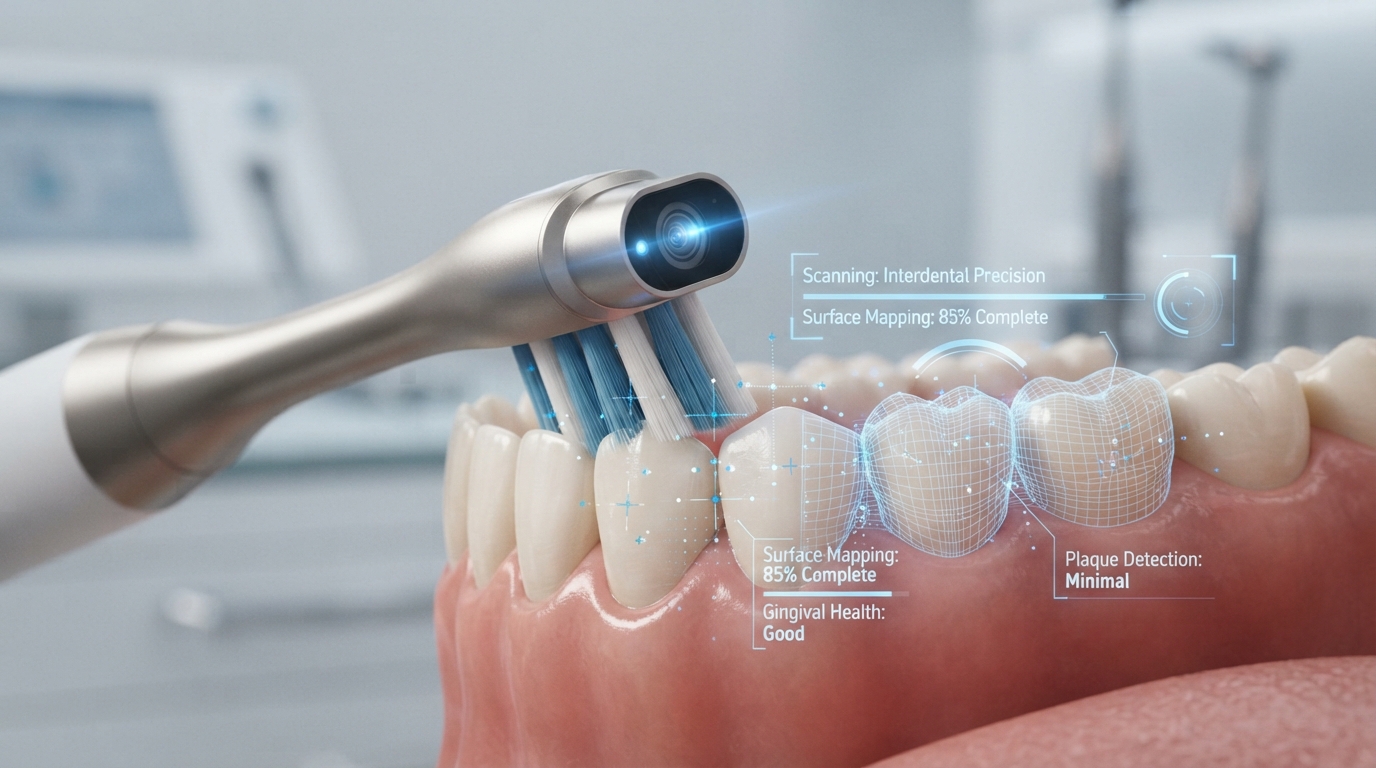
The device uses an integrated camera and an AI-powered system called Gap Optical Targeting to identify spaces between teeth in real time. When the technology recognizes an interdental gap, it can automatically target that area with a precision jet of mouthrinse while the user continues brushing.
This is exactly the kind of AI innovation that demonstrates where consumer technology is heading. Instead of requiring users to constantly interact with screens, applications and complicated controls, artificial intelligence is beginning to operate quietly inside physical products, analyzing the environment and responding automatically.
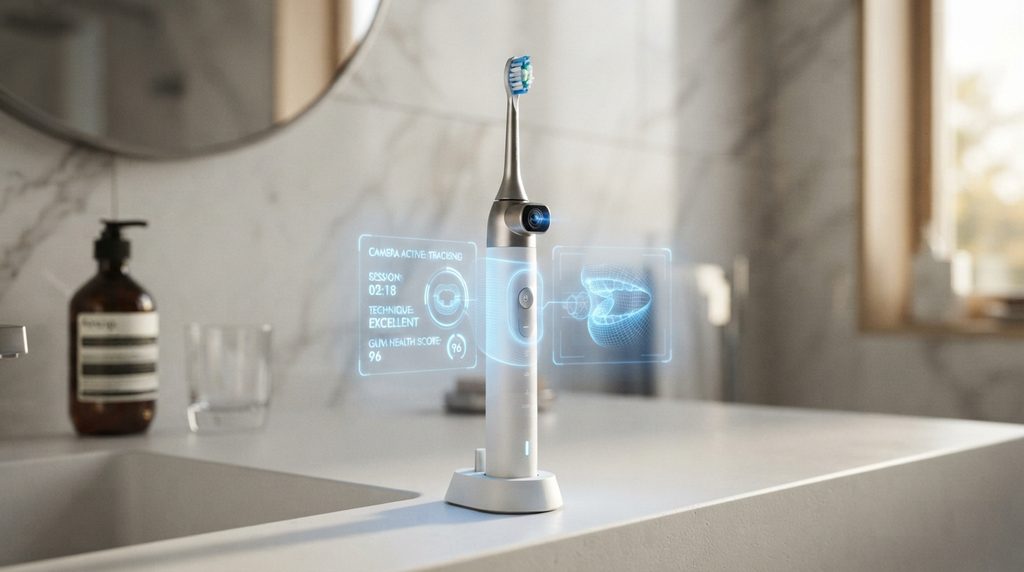
What Is the Dyson CameraJet?
The Dyson CameraJet is an electric toothbrush and precision-flossing system designed around a combination of advanced mechanical engineering and intelligent software. According to Dyson, the project required six years of research and development, involved hundreds of engineers, generated dozens of patent filings and required millions of lines of code.
That development process immediately separates CameraJet from conventional electric toothbrushes. Traditional models typically focus on brush movement, timers, pressure detection and different cleaning modes. Dyson has approached the toothbrush more like an intelligent technology platform, combining imaging, algorithms, connectivity, precision liquid delivery and sonic brushing inside a single handheld device.
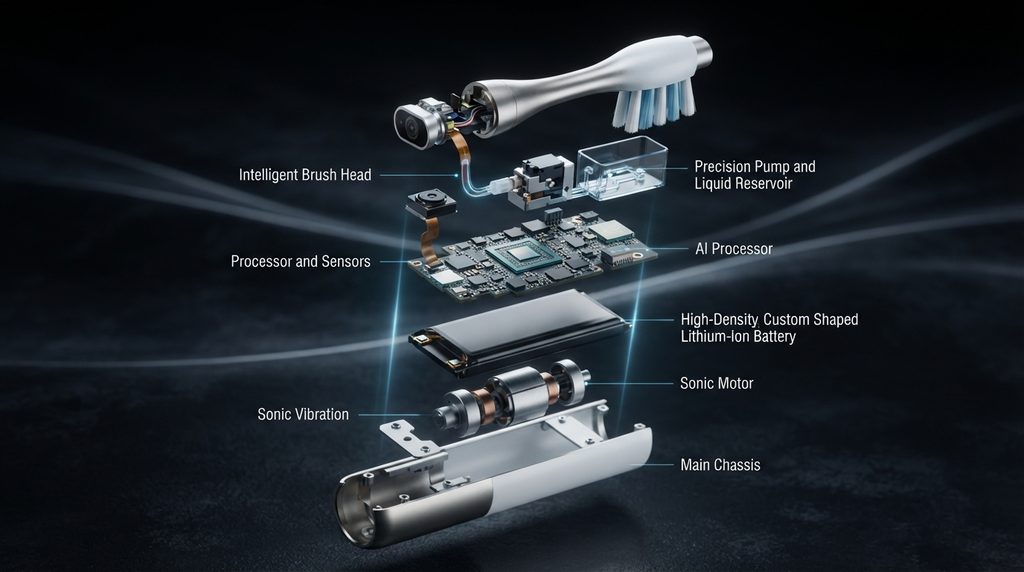
A miniature macro camera allows the system to observe the user’s teeth. Artificial intelligence and machine learning process those images in real time, while the precision liquid system responds to what the software detects. Wi-Fi and Bluetooth connectivity connect the device with a smartphone, while additional smart hardware helps monitor the brush head and cleaning routine.
The result is essentially a smart oral-care device capable of seeing, analyzing and responding to what is happening while someone brushes their teeth. From an innovation perspective, that makes CameraJet much more interesting than simply another electric toothbrush.
The AI Technology Inside Dyson CameraJet
The most fascinating technology inside CameraJet is the system Dyson calls Gap Optical Targeting. The toothbrush contains a tiny 100,000-pixel macro camera capable of analyzing 28 images every second while the device is operating.
Those images are processed through a machine-learning algorithm designed to recognize the gaps between teeth. Instead of simply running a predetermined brushing program, the toothbrush receives visual information about the mouth, interprets that information and decides when the precision cleaning system should respond.
Dyson says that when the camera identifies a gap, the system can detect it and trigger the targeted jet within approximately 100 milliseconds. That makes CameraJet an interesting example of real-time computer vision technology being integrated into a small consumer device.
The process is conceptually simple but technologically impressive. The camera captures an image, the software analyzes it, the AI recognizes an interdental gap and the hardware responds with a physical action. All of this happens while the user is brushing normally.
This represents an important evolution in artificial intelligence. AI is moving beyond software that simply generates text, images or answers. Increasingly, artificial intelligence is being integrated into physical devices that can perceive something happening in the real world and respond automatically.
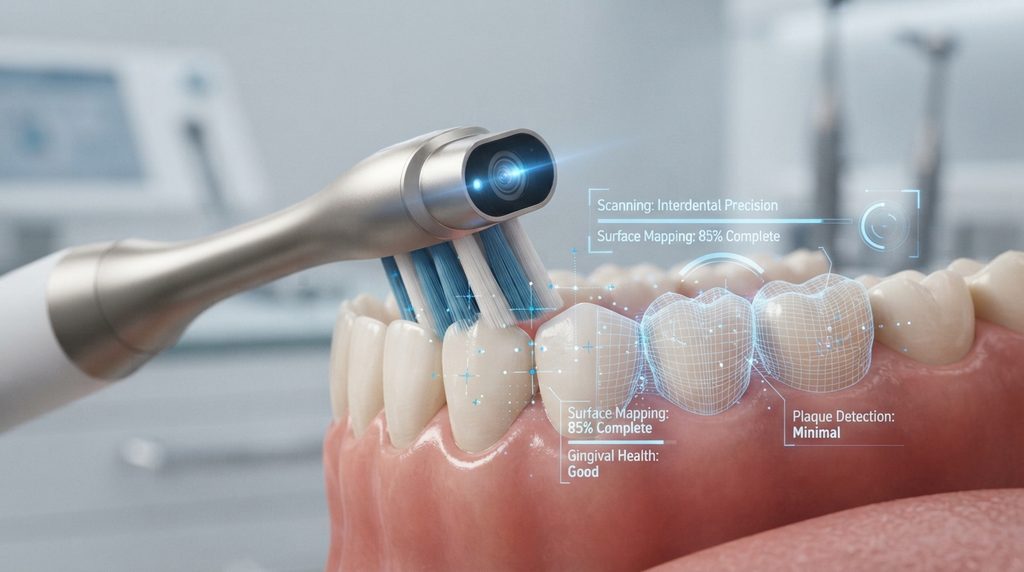
Machine Learning Trained With Hundreds of Thousands of Dental Images
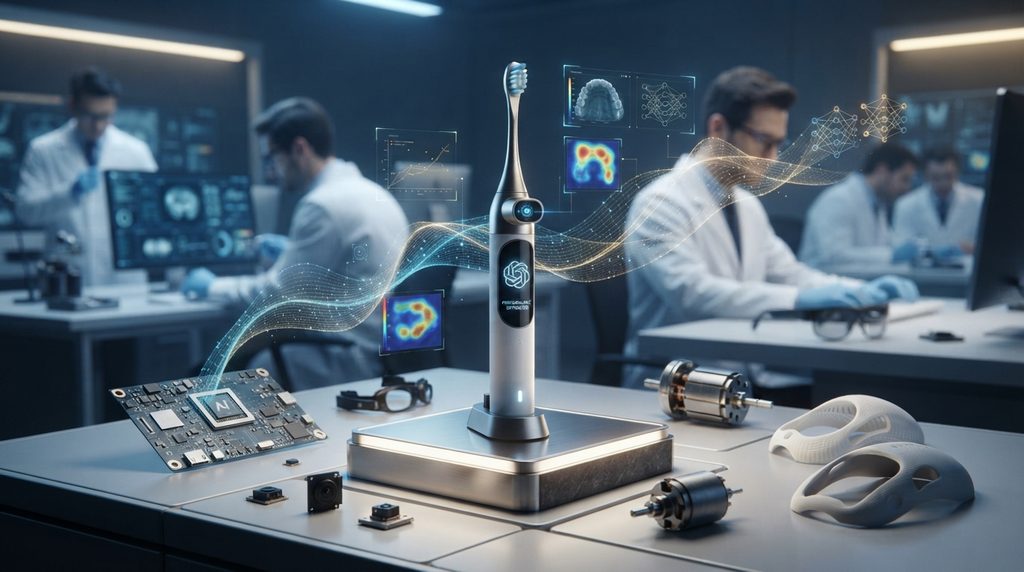
Modern artificial intelligence depends heavily on training data, and CameraJet is no exception. Dyson says the machine-learning technology behind the system was developed using more than 470,000 dental images collected during development.
Those images helped engineers teach the technology to identify and predict interdental gaps under different real-world conditions. This is particularly interesting because it demonstrates how machine learning is moving into highly specialized consumer devices.
Not every AI system needs to be a massive general-purpose chatbot. Specialized models can be designed to perform one particular task extremely well. In the case of CameraJet, that task is recognizing the spaces between teeth accurately and quickly enough for the physical cleaning system to react while the toothbrush is moving.
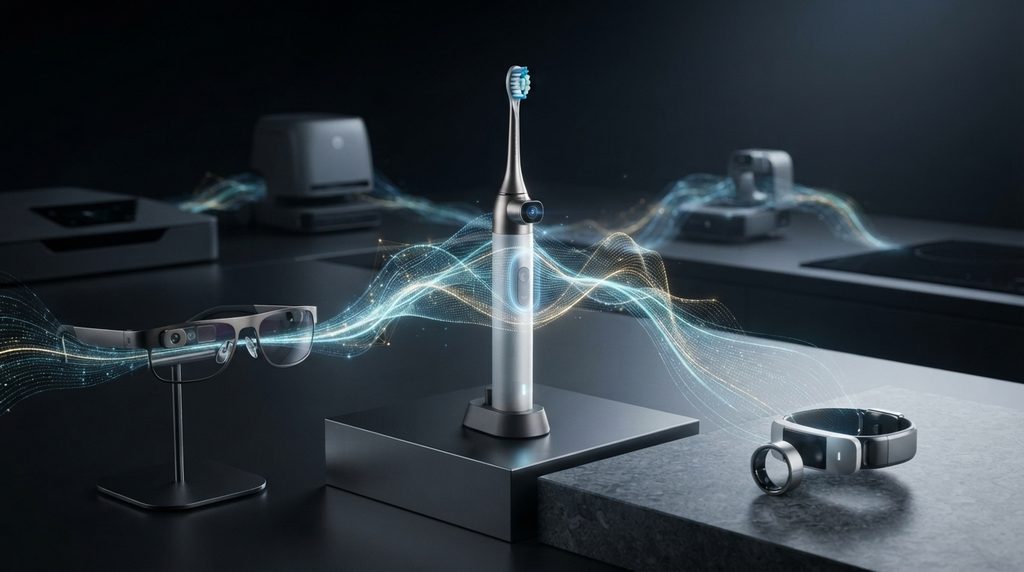
This kind of specialized artificial intelligence could become increasingly common throughout the technology industry. Similar systems could eventually appear inside smart mirrors, kitchen appliances, wearable devices, home robots, vehicles and other products where sensors can collect information and AI can interpret it.
From Generative AI to Physical AI
For the last several years, much of the global conversation surrounding artificial intelligence has focused on generative AI. Chatbots generate text, AI image tools create pictures, video models produce realistic footage and coding assistants can help developers create software.
CameraJet demonstrates a different direction. Instead of using AI primarily to generate digital content, Dyson is integrating artificial intelligence into a physical product where the technology can observe the environment and trigger an action.
A camera observes what is happening. Software analyzes the visual information. A machine-learning algorithm decides whether a relevant target has been detected. The hardware then responds physically.
This same fundamental relationship between sensors, software, algorithms and mechanical systems is becoming increasingly important in robotics and physical AI. CameraJet is obviously not a robot, but the technological philosophy is similar: allow a physical device to adapt its behavior based on information collected from the real world.
That is why this toothbrush is much more interesting from a technology perspective than its product category might initially suggest.
AI Meets Precision Fluid Technology
Detecting the gaps between teeth would have limited practical value if the device could not respond to that information. Dyson therefore combines its camera and artificial intelligence system with precision fluid engineering.
Once CameraJet identifies an interdental gap, the toothbrush can release a targeted conical jet of mouthrinse into that area. Dyson’s engineers worked with fluid dynamics to develop the delivery system rather than simply copying the narrow stream traditionally associated with conventional water flossers.
This creates an important relationship between digital intelligence and mechanical engineering. AI determines where the device should act, while fluid technology determines how the device should act.
That distinction matters because many products marketed as “smart” simply add Bluetooth connectivity or a companion application to an existing device. CameraJet attempts to integrate artificial intelligence directly into the physical function of the product.
Without the camera and machine-learning algorithm, the automatic targeting system would not work in the same way. Without the precision liquid jet, identifying the gaps would provide much less practical functionality. The technologies are designed to complement one another.
Smart Engineering Beyond Artificial Intelligence
CameraJet also demonstrates that successful AI products still require excellent traditional engineering. Artificial intelligence alone cannot make a physical consumer product useful.
The device includes a compact 12.5ml reservoir engineered to deliver mouthrinse while the toothbrush is being held at different angles. That’s important because brushing involves constant movement, and a simple gravity-dependent reservoir could behave inconsistently when tilted or held horizontally.
The brushing mechanism itself has also been engineered around high-speed movement. Dyson says the brush head moves nearly 1,000 times per second using variable sonic oscillation technology.
Even the replaceable brush heads are part of the connected ecosystem. An integrated RFID system allows the device to recognize the installed brush head and can help users understand when replacement may be required.
All of this illustrates an important lesson about AI innovation. The most successful artificial-intelligence products will not necessarily be those with the biggest AI model. They may be products where sensors, batteries, processors, materials, software, connectivity and mechanical engineering work together seamlessly.
Your Toothbrush Can Now See Inside Your Mouth
One of CameraJet’s most futuristic features is its ability to provide a live camera view through the connected smartphone experience. The toothbrush supports Wi-Fi and Bluetooth connectivity and integrates with the MyDyson app.
The camera can provide users with a live view from inside the mouth while brushing. The connected software can also provide guided cleaning information, coverage insights and personalized feedback related to brushing and flossing.
That effectively transforms the smartphone into a dashboard for the toothbrush. Instead of simply telling someone that they brushed for two minutes, connected oral-care technology can provide more detailed information about the cleaning routine.
This reflects a much larger movement in consumer technology toward personalized data. Smartwatches monitor exercise and heart rate. Smart rings analyze sleep. Vehicles increasingly analyze driving behavior. Connected health devices can monitor different aspects of daily life. Now even toothbrushes are becoming capable of analyzing user behavior.
What About Privacy?
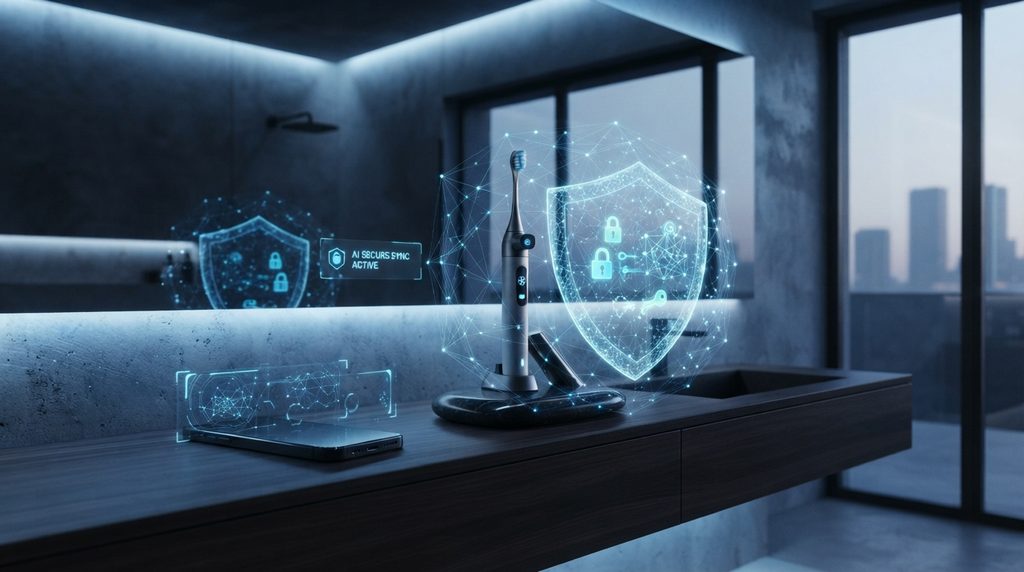
Integrating a camera into something as personal as a toothbrush naturally raises privacy questions. As cameras, microphones and sensors become embedded in more everyday devices, consumers increasingly want to understand exactly where their information goes.
According to Dyson, CameraJet’s camera is used when required for live viewing or automatic targeting, while images are not intended to be stored on the toothbrush or in the cloud.
This privacy discussion is becoming increasingly important for the entire AI technology industry. Future smart products will need to convince consumers not only that their artificial intelligence is useful, but also that personal information is processed responsibly.
Privacy may therefore become as important to AI product design as speed, accuracy, battery life and hardware performance.
How Much Does Dyson CameraJet Cost?
Advanced technology comes at a premium. Dyson’s US website lists the CameraJet electric toothbrush and flossing system at approximately $499.99, positioning it well above conventional electric toothbrushes.
The price reveals how Dyson views the product. CameraJet isn’t designed to compete directly with a basic electric toothbrush. It is positioned as a premium consumer technology device combining sophisticated hardware, artificial intelligence, imaging, connectivity and oral-care engineering.
The bigger question is whether consumers will consider those innovations valuable enough to justify spending around $500 on a toothbrush.
From a technology perspective, however, premium pricing is not unusual when a new category or feature first appears. Many technologies that are now common originally appeared only in expensive flagship products.
Could AI Toothbrushes Become Normal?
Today’s $500 AI toothbrush could offer clues about tomorrow’s mainstream oral-care technology.
Fingerprint sensors were once reserved for premium electronics. Multiple smartphone cameras were once considered extravagant. OLED displays, sophisticated computational photography and advanced AI features all began primarily at the high end before gradually spreading into more affordable devices.
A similar evolution could happen with intelligent oral-care products.
As cameras become smaller, processors become more efficient and running machine-learning models becomes cheaper, future toothbrushes could potentially include some form of visual detection or personalized cleaning technology at substantially lower prices.
CameraJet may therefore be more significant as an indication of where the market is heading than simply as one expensive toothbrush.
AI Innovation Is Becoming Invisible
Perhaps the biggest lesson from CameraJet is that some of the most important future AI products may be the ones where users barely notice artificial intelligence operating.
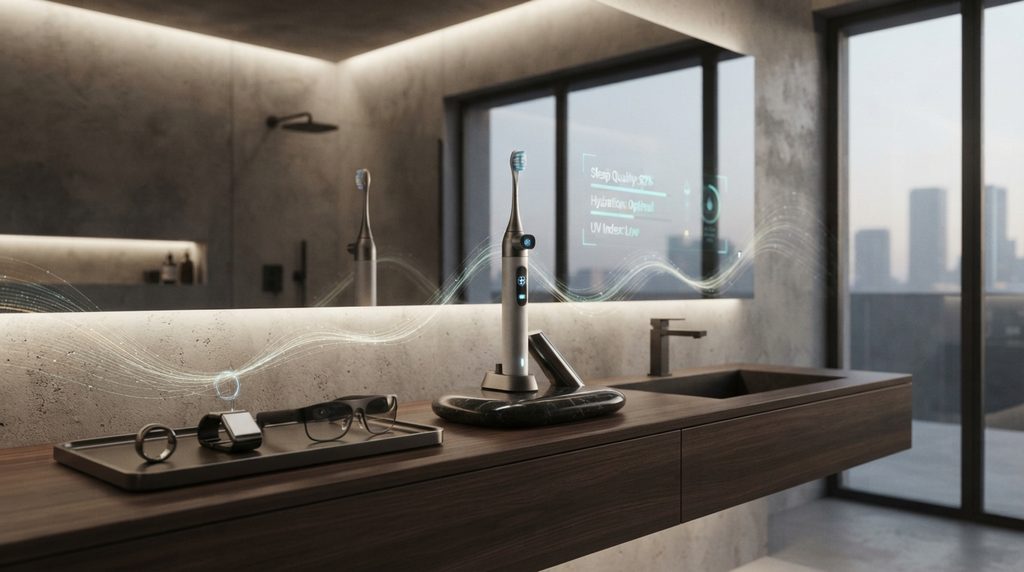
Imagine a bathroom where a smart mirror can analyze visible changes, a toothbrush can adapt its cleaning routine, a wearable continuously monitors useful signals and connected appliances optimize water and energy consumption automatically.
None of those devices necessarily require the user to type a prompt into a chatbot.
The artificial intelligence simply becomes part of the product.
This represents a major transition from AI as an application to AI as infrastructure. Instead of opening artificial intelligence when we need it, AI could increasingly become embedded throughout the physical environment around us.
CameraJet offers a small but fascinating glimpse of that future.
The Growing Connection Between AI and Personal Technology
The product also demonstrates how consumer electronics and health-oriented technology are increasingly overlapping.
Smartwatches already track activity and heart rate. Connected scales provide body-composition information. Wearable devices collect increasingly sophisticated data. Oral care represents another area where sensors and artificial intelligence could provide personalized behavioral feedback.
However, intelligent consumer products should not automatically be confused with professional medical diagnosis. A sophisticated toothbrush may help users understand and improve their daily cleaning routine, but it does not replace professional dental examinations or treatment.
As technology companies introduce more health-oriented AI products, maintaining that distinction will remain important.
Dyson’s Innovation Strategy
CameraJet also fits into Dyson’s broader approach to technology innovation. The company frequently enters mature product categories and attempts to rethink their engineering.
Vacuum cleaners existed long before Dyson entered the market. The same is true of fans and hair dryers. Instead of inventing an entirely new category, the company often focuses on redesigning the technology behind familiar everyday products.
CameraJet applies that philosophy to oral care, but with an important difference: in 2026, artificial intelligence and machine learning have become part of the engineering toolkit.
This combination of software development, AI, computer vision, mechanical engineering and specialized expertise could become increasingly common as technology companies expand into industries that were traditionally considered separate from computing.
The Future of Technology Is Moving Beyond Screens
For decades, technological innovation has been strongly associated with screens. Bigger televisions, better smartphones, faster computers and higher-resolution displays dominated the consumer electronics industry.
Artificial intelligence is helping technology move beyond those screens.
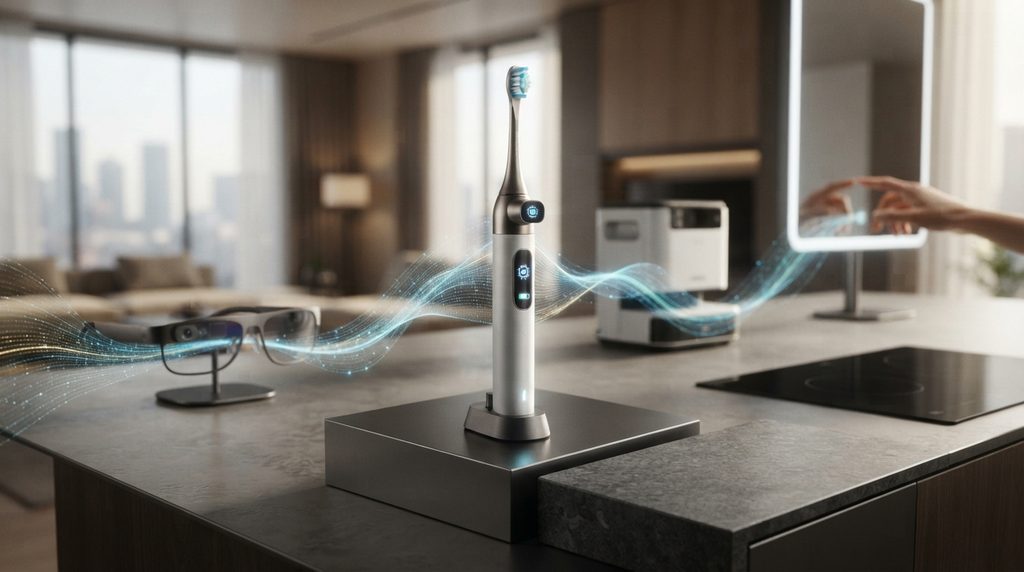
When AI is combined with cameras, microphones, sensors and other forms of environmental data, physical products can gain a limited ability to perceive what is happening around them and adapt accordingly.
Smart appliances can automatically adjust their behavior. Cars can better understand their surroundings. Robots can navigate homes. Wearables can provide increasingly personalized assistance. And now a toothbrush can recognize the spaces between your teeth.
The Dyson CameraJet may seem like an unusual product through which to examine the future of artificial intelligence, but that is exactly what makes it interesting.
Final Thoughts: A Glimpse of Everyday AI
Dyson CameraJet demonstrates how AI, innovation and advanced technology are beginning to merge with ordinary daily routines. The original specifications highlighted by Dyson include a 100,000-pixel camera processing 28 images per second and machine-learning development involving more than 470,000 dental images.
But the bigger story is not simply about camera resolution, brush speed or machine-learning statistics.
It is about what those technologies represent.
Artificial intelligence is moving from the purely digital world into physical objects. The next phase of the AI revolution may not happen only inside computers, smartphones and massive data centers. It could happen quietly inside vehicles, glasses, appliances, wearables, robots and ordinary household products.
Dyson CameraJet provides an intriguing example of how quickly that transition is taking place.
If something as familiar and simple as a toothbrush can now see, analyze and react, the more interesting question is no longer whether AI will enter everyday products.
The question is:
What everyday product will artificial intelligence reinvent next?