Apple’s next iPhone generation could become one of the company’s most important smartphone releases in years. The iPhone 18 is not shaping up to be simply another annual update with a faster processor and slightly improved cameras. Instead, current reports suggest that Apple may use this generation to change its traditional release schedule, introduce a new generation of 2-nanometer silicon, push iPhone photography further, improve battery efficiency, and potentially launch its first foldable iPhone alongside its premium models.
As of August 2026, however, an important distinction needs to be made. Apple has not officially revealed the final specifications of the iPhone 18 lineup. That means any article claiming to offer a definitive hands-on iPhone 18 review should be treated cautiously. What we can provide is a detailed iPhone 18 preview built around the strongest information currently available, while clearly separating credible reports from features that remain speculative.
That distinction is particularly important this year because the iPhone release strategy itself could change. Current reporting points toward the iPhone 18 Pro and iPhone 18 Pro Max arriving in September 2026, while the standard iPhone 18 may not arrive until spring 2027. (MacRumors)
For consumers, this creates a completely different buying decision. Should you wait for the iPhone 18 Pro? Will the A20 Pro provide a noticeable improvement? Could Apple’s rumored variable-aperture camera actually transform smartphone photography? And will Apple’s first foldable device overshadow the conventional Pro models?
Here is everything we currently know about the iPhone 18 generation.
iPhone 18 Release Date: Apple’s Biggest Schedule Change in Years
For years, Apple’s iPhone launch calendar has been remarkably predictable. September became almost synonymous with a new flagship iPhone announcement, followed shortly afterward by pre-orders and retail availability.
The iPhone 18 release date could mark a significant departure from that strategy.
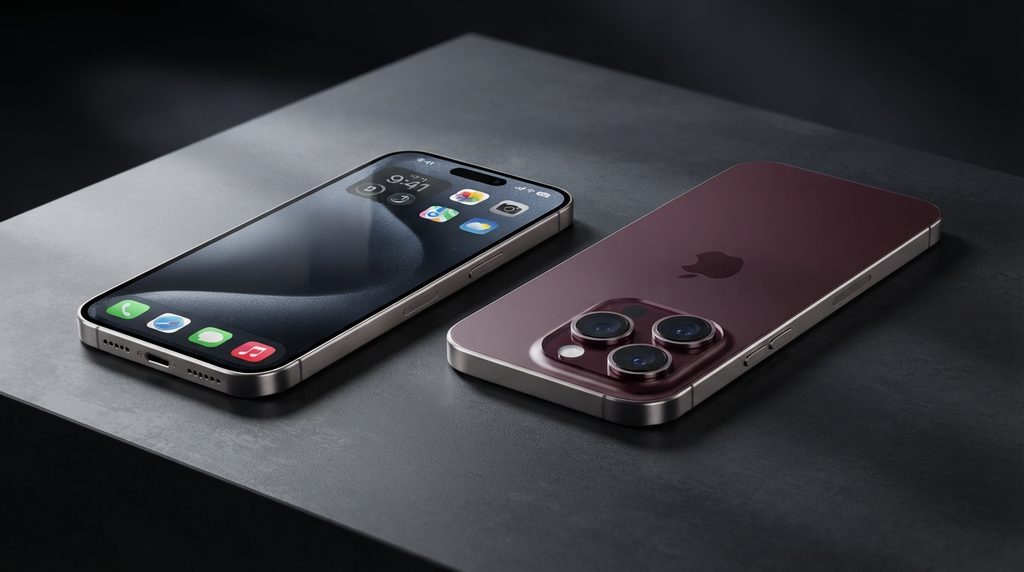
Current reports indicate that Apple is preparing a split launch. The premium iPhone 18 Pro and iPhone 18 Pro Max are expected during the traditional fall 2026 launch window, while the standard iPhone 18 and iPhone 18e are reportedly being held until spring 2027. (MacRumors)
This is more important than a simple scheduling adjustment. Apple has historically launched standard and Pro models together, allowing buyers to compare the entire flagship family at approximately the same time. A split schedule would instead give the premium devices their own period of attention.
That could help Apple position the Pro series more aggressively at the high end. Customers who want the latest-generation iPhone during fall 2026 would effectively have to choose one of Apple’s premium devices or wait several additional months.
The strategy could also reduce competition between Apple’s own products. Rather than having the standard iPhone potentially take attention away from the Pro models, Apple could create two major iPhone buying seasons: premium models in fall and mainstream models several months later.
For consumers, however, the choice becomes more complicated. Someone using an older phone and planning an upgrade around September may have to decide whether Pro-level hardware is worth the additional expense or whether waiting until 2027 makes more financial sense.
iPhone 18 Pro Could Be Apple’s Main Conventional Flagship
While the standard iPhone 18 remains further away, the iPhone 18 Pro is currently the model generating the most immediate interest.
Recent reporting suggests Apple is not preparing a radical redesign. Instead, the company appears to be focusing on refinements to several components that have a much greater impact on everyday use.
Among the most frequently reported improvements are the next-generation A20 Pro processor, possible changes to the Dynamic Island, more efficient display technology, battery improvements, an updated modem and a major camera development involving variable aperture. (MacRumors)
This could make the iPhone 18 Pro a classic refinement-generation Apple product. At first glance, it may resemble its predecessor. Underneath the familiar exterior, however, the hardware could be substantially more advanced.
That approach should not automatically be interpreted as disappointing. Smartphone design has matured considerably. Major physical redesigns every twelve months are neither necessary nor always beneficial.
At this stage, improvements in efficiency, cameras, display quality, thermal management and battery endurance can matter considerably more than changing the shape of the phone simply to make it look new.
iPhone 18 Design: Evolution Instead of a Complete Redesign
Anyone expecting Apple to completely reinvent the traditional iPhone with the iPhone 18 Pro may need to moderate expectations.
The strongest reports currently point toward a design that retains much of the visual identity of the preceding Pro generation. Apple is expected to maintain a premium flat-sided smartphone design and familiar rear camera arrangement while making smaller refinements to the body and display.
Several design rumors have appeared, including potentially thicker bodies, larger camera lenses, more uniform rear colors and a narrower Dynamic Island. (MacRumors)
The possibility of a slightly thicker device is particularly interesting.
For years, smartphone manufacturers competed aggressively to produce thinner devices. But consumers increasingly value battery endurance and camera capability, both of which require physical space.
If adding a small amount of thickness allows Apple to install a larger battery or more sophisticated camera hardware, many users may consider that an excellent trade-off.
A premium smartphone is ultimately a tool used throughout the day. A few fractions of a millimeter matter considerably less when the alternative is having to search for a charger before the evening ends.
Smaller Dynamic Island Could Make the Display More Immersive
Apple’s Dynamic Island represented an important transition away from the traditional display notch, but the long-term objective appears obvious: maximize usable display area while retaining secure biometric authentication.
The iPhone 18 Pro could represent another step toward that goal.
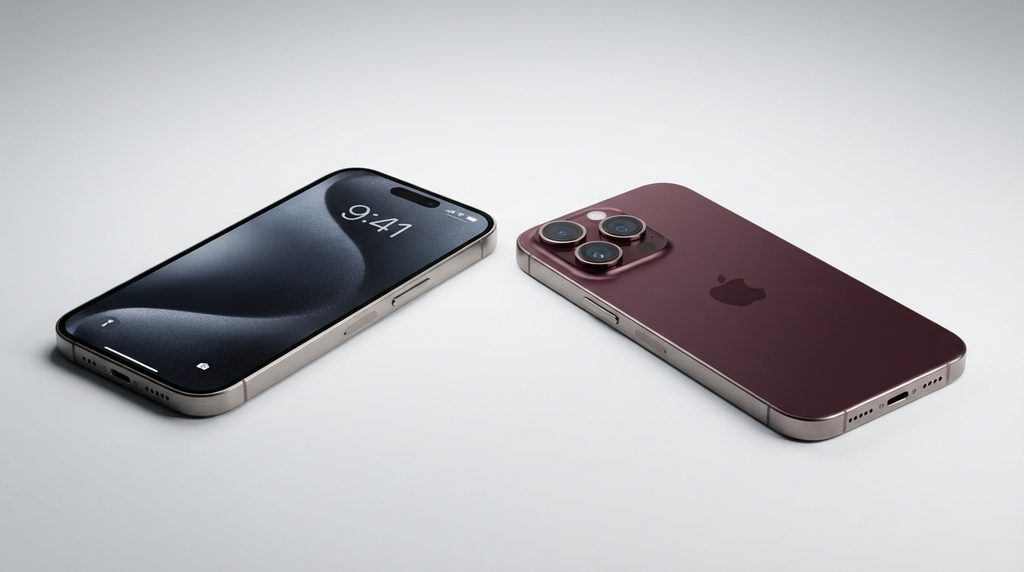
Multiple reports have suggested that Apple may reduce the visible size of the Dynamic Island by moving additional Face ID components beneath the display. However, the exact implementation remains uncertain, and conflicting rumors still exist. (MacRumors)
This uncertainty is worth emphasizing because early leaks surrounding unreleased smartphones often evolve considerably before launch.
A completely uninterrupted display would represent a dramatic visual change. A narrower Dynamic Island would be a more conservative improvement, but it could still make the screen appear cleaner and more immersive.
The technical challenge is not simply hiding components. Apple’s Face ID system needs to remain fast, accurate and secure under a wide range of lighting conditions.
Moving components beneath a display can affect how sensors receive and transmit light, making implementation significantly more complicated than simply cutting a smaller hole in the panel.
If Apple manages to reduce the visible cutout without compromising Face ID, the improvement may appear subtle in photographs but feel more meaningful during everyday use.
A20 Pro Could Be the Most Important iPhone 18 Upgrade
Every new flagship iPhone receives a new processor, which makes annual chip announcements easy to underestimate.
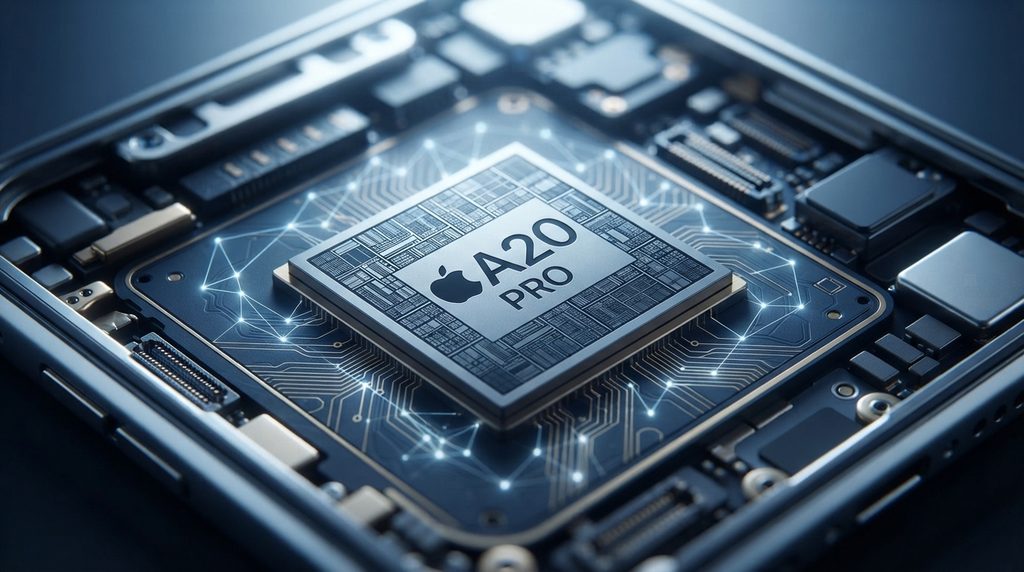
The A20 Pro chip, however, could be particularly important.
Current reporting points toward Apple’s first major iPhone chip manufactured using a 2-nanometer process. (MacRumors)
Moving to a more advanced manufacturing process does not automatically guarantee enormous real-world improvements. Chip performance depends on architecture, transistor design, memory, thermal constraints and Apple’s decisions about how aggressively to prioritize performance versus efficiency.
Nevertheless, a new process node can give engineers more flexibility.
For everyday consumers, the most meaningful benefit may not be a dramatically higher benchmark score. Modern flagship processors are already extremely fast for messaging, browsing, photography and most applications.
Efficiency is potentially more important.
A processor capable of completing the same workload while using less power can improve battery life and reduce heat. Alternatively, Apple can use some of the efficiency gains to deliver additional performance without dramatically increasing power consumption.
That becomes increasingly important as smartphones handle sophisticated camera processing, gaming, machine learning and AI workloads.
iPhone 18 and the Future of On-Device Artificial Intelligence
Artificial intelligence has become one of the defining competitive areas in consumer technology.
Smartphones are particularly interesting AI devices because they contain enormous amounts of personal context. They know our contacts, calendars, photographs, locations, messages, applications and daily routines.
That makes them potentially ideal personal AI assistants.
It also creates major privacy challenges.
Sending every personal request to remote cloud servers would not necessarily be desirable. More capable local processing allows certain AI operations to happen directly on the device, potentially improving responsiveness, privacy and offline functionality.
The A20 generation could therefore become important for much more than conventional CPU and GPU performance.
Apple’s neural-processing capabilities, memory architecture and energy efficiency will increasingly determine what intelligent functions an iPhone can perform locally.
Imagine asking your phone to locate a reservation from an email, compare the arrival time with your calendar, calculate the travel time from the airport and remind you to contact the hotel if your flight becomes delayed.
That kind of interaction requires much more than generating text.
The device needs context, permissions, reasoning and secure access to several applications.
As smartphone AI becomes more capable, the processor increasingly becomes part of the intelligence layer of the operating system rather than simply the engine that launches applications quickly.
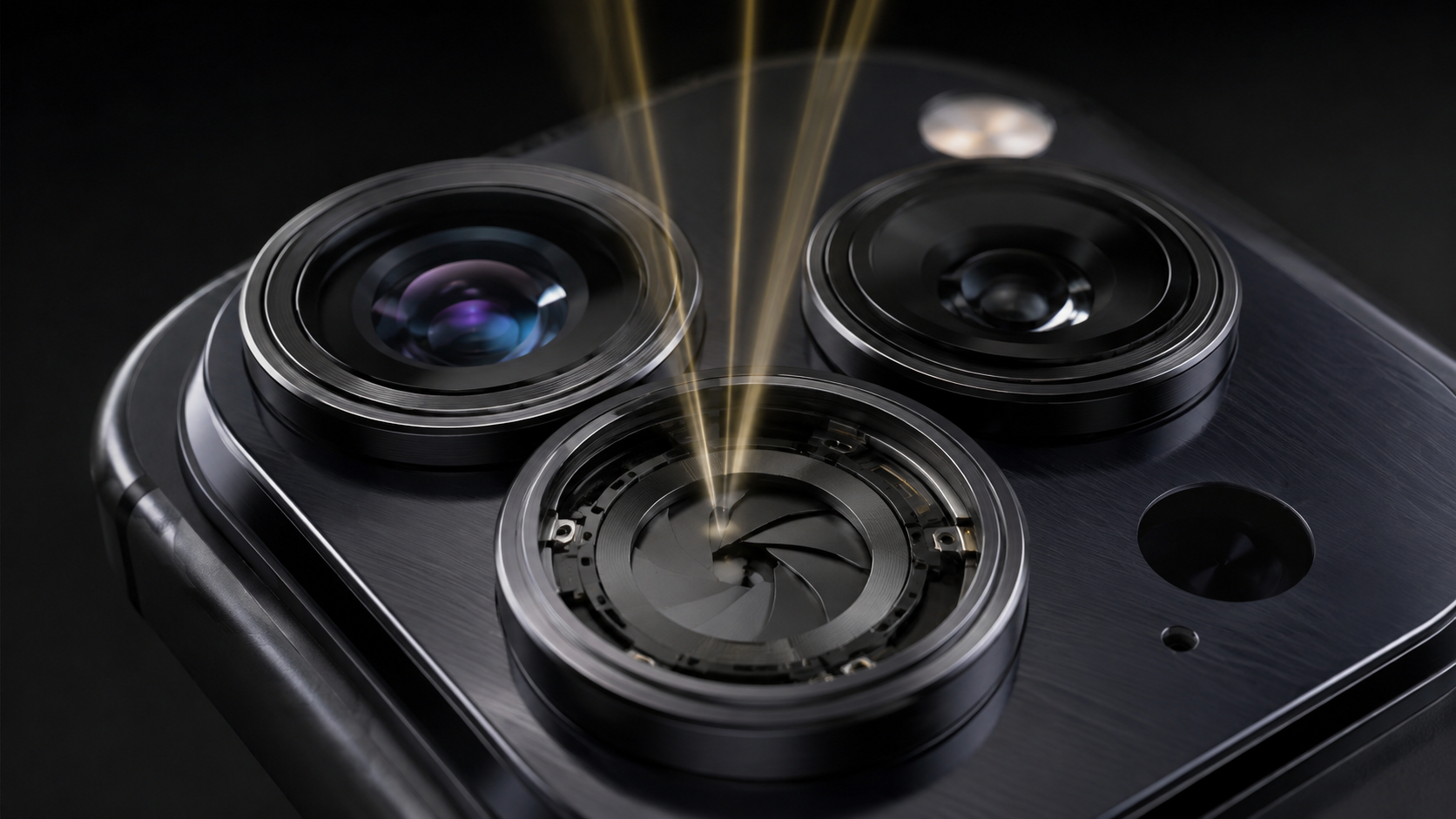
iPhone 18 Pro Camera Could Introduce Variable Aperture
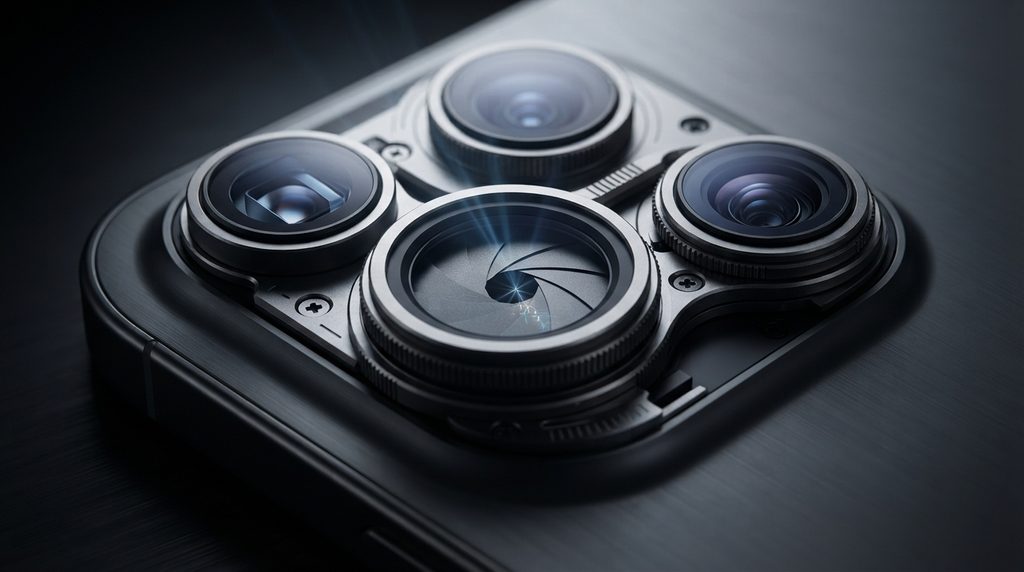
Camera technology may become one of the most important areas of the iPhone 18 Pro generation.
Reports repeatedly point toward a variable-aperture main camera, although there is still disagreement over whether the technology will appear on both Pro devices or potentially be exclusive to the larger Pro Max. (MacRumors)
This would be significant because current iPhones rely on fixed apertures for their primary cameras.
Aperture controls the opening through which light enters the camera lens. Changing that opening influences both exposure and depth of field.
Traditional interchangeable-lens cameras give photographers direct control over aperture. Smartphones have historically compensated for their smaller optics using computational photography.
Variable aperture would give Apple another physical variable to combine with computational processing.
That combination is potentially powerful.
Instead of software attempting to simulate every photographic characteristic after capture, the camera could modify the optical conditions before the image reaches the sensor.
Why Variable Aperture Could Matter in Everyday Photography
Consider taking a portrait.
A wider aperture can allow more light to reach the sensor while creating shallower depth of field. This can contribute to natural subject separation rather than relying exclusively on computationally generated background blur.
Now imagine photographing a landscape in strong daylight.
A narrower aperture can behave differently, providing Apple with another way to manage incoming light and potentially improve how the scene is captured.
Video could benefit as well.
In bright outdoor environments, smartphones sometimes compensate for excessive light with very fast shutter speeds. That can make motion appear unusually sharp. A variable aperture could reduce incoming light optically and allow more natural-looking motion under some conditions. (MacRumors)
The most important question is how Apple implements the technology.
Professional photographers might appreciate manual aperture controls, but Apple’s mainstream users generally expect the Camera app to make technical decisions automatically.
The ideal implementation may therefore combine both approaches.
Automatic photography could intelligently select the aperture without requiring the user to understand photography terminology, while advanced modes could potentially provide additional control to experienced creators.
Low-Light Photography Could Become Even Better
Low-light photography remains one of the hardest challenges in mobile imaging.
Smartphones operate under severe physical constraints. Their sensors and lenses need to fit inside devices that are only a few millimeters thick, yet users increasingly expect image quality approaching dedicated cameras.
Manufacturers overcome those limitations through sophisticated image processing.
Modern smartphones combine multiple exposures, align frames, reduce noise, recover highlights and shadows, identify subjects and apply localized processing—all within moments of pressing the shutter button.
Improved optical hardware combined with a more powerful A20 Pro image-processing pipeline could give Apple additional flexibility.
Variable aperture does not automatically guarantee better night photography. The implementation, sensor size, lens characteristics and computational pipeline will all matter.
But giving the camera system another physical mechanism for controlling light could help Apple optimize image capture across a wider variety of environments.
iPhone 18 Pro Could Push Smartphone Video Further
The iPhone has gradually evolved from a casual video-recording device into a legitimate production tool.
Content creators use iPhones for social media videos, interviews, documentaries, travel footage, behind-the-scenes material and even professional productions.
The advantage is not simply resolution.
Portability changes what can be filmed.
A camera that fits in a pocket can be available when a traditional camera system would be impractical. It can also attract less attention, making spontaneous footage easier to capture.
The iPhone 18 Pro could strengthen that position through improved processing, stabilization, low-light performance and potentially more sophisticated optical control.
For serious creators, consistency often matters more than spectacular headline specifications.
Reliable autofocus, predictable colors, strong dynamic range, natural motion, stable exposure and an efficient editing workflow can be more valuable than simply adding another impressive resolution number to a specification sheet.
Battery Life Could Matter More Than Raw Performance
For many users, the best processor upgrade is one they barely notice.
That sounds contradictory, but it makes sense.
If a processor delivers similar everyday responsiveness while allowing the phone to finish the day with significantly more battery remaining, that is an extremely meaningful upgrade.
Reports around the iPhone 18 Pro point toward a combination of a more efficient A20 Pro processor, upgraded LTPO+ display technology and potentially larger batteries. (MacRumors)
Each improvement contributes to the same objective: doing more work with the available energy.
Battery endurance has become particularly important because smartphones themselves are doing more.
Navigation, high-brightness displays, 5G connectivity, photography, video recording, gaming, AI processing and background synchronization all consume energy.
A flagship smartphone can have extraordinary performance, but that performance becomes less useful if heavy users constantly need to think about charging.
iPhone 18 Pro Max Could Become the Battery Champion
The iPhone 18 Pro Max has traditionally appealed to buyers who prioritize the largest display and strongest endurance.
That positioning could become even more pronounced with the iPhone 18 generation.
Current rumors suggest the Pro Max could become slightly thicker, potentially providing additional internal volume for battery hardware. Recent reports have also pointed toward larger battery capacities for Apple’s premium models, although exact figures should remain classified as rumors until Apple confirms them. (MacRumors)
A slightly thicker Pro Max may actually be welcomed by many buyers.
The industry spent years treating extreme thinness as an unquestionable advantage. But there is a practical limit to how much value consumers receive from making a device thinner.
For a phone that functions as a camera, GPS navigator, entertainment device, communication tool and portable computer, endurance is arguably far more valuable.
If the combination of a larger battery, 2nm processor and more efficient display produces a substantial real-world improvement, battery life could become one of the strongest reasons to choose the Pro Max.
Apple’s C2 Modem Could Be an Important Invisible Upgrade
Not every major smartphone improvement is visible.
The modem is a perfect example.
A modem manages cellular connectivity and can significantly influence signal performance, power consumption and overall device efficiency.
Apple has spent years bringing more critical silicon development in-house, giving the company greater control over how hardware and software interact.
Current iPhone 18 Pro reports include a next-generation C2 modem among the expected internal changes. (MacRumors)
Consumers are unlikely to buy a new smartphone because of the modem’s name.
They may, however, notice its consequences.
More efficient connectivity could contribute to longer battery life. Improvements in cellular behavior could potentially enhance the experience in difficult network environments.
It also matters strategically.
The more core technologies Apple designs itself, the more control it gains over product development, optimization and future integration.
Satellite Connectivity Could Continue Expanding
Satellite connectivity has gradually moved from science-fiction-like smartphone technology to a practical safety feature.
Modern premium smartphones can already provide limited communication functionality in situations where conventional cellular networks are unavailable.
The next stage is making satellite functionality more capable and useful.
Reports surrounding Apple’s future connectivity plans suggest satellite features could continue evolving, though consumers should remain cautious about assuming that satellite connectivity will suddenly become equivalent to ordinary 5G.
Satellite communication has significant limitations involving bandwidth, coverage, hardware, service agreements and environmental conditions.
Still, the direction is important.
A smartphone that remains useful beyond traditional cellular coverage becomes more valuable for travelers, hikers, remote workers and emergency situations.
Over the longer term, satellite capability may become a standard component of premium smartphones rather than a specialized emergency feature.
iPhone 18 Colors Could Give the Familiar Design a New Identity
Color might sound trivial compared with processors and camera systems, but smartphone finishes consistently influence consumer interest.
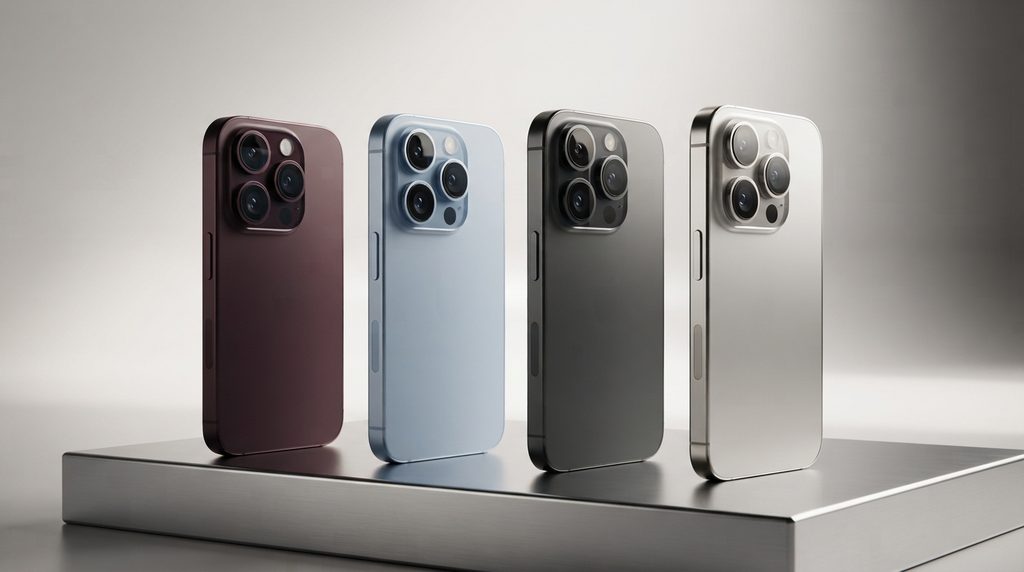
The iPhone 18 Pro generation has been associated with several rumored colors, including Dark Cherry, Light Blue, Silver and Dark Gray. (MacRumors)
Dark Cherry is particularly interesting because it could give the Pro generation a distinctive visual identity without requiring Apple to redesign the entire device.
Deep colors also behave differently depending on lighting.
A sophisticated dark red can appear almost black in low light while revealing richer tones under direct illumination, giving the device a more premium character than a simple bright red finish.
None of these colors should be considered final until Apple officially presents the devices.
Color plans are comparatively easy for manufacturers to adjust, and leaks can also misrepresent the appearance of finishes because photography, lighting and screen calibration affect how colors appear.
The Standard iPhone 18 Could Be Interesting Because It Arrives Later
The regular iPhone 18 has a completely different story from the Pro models.
Current reporting suggests Apple could postpone the mainstream model until spring 2027. (MacRumors)
That delay could change how consumers perceive the standard iPhone.
Traditionally, the regular and Pro models belong to the same immediate buying cycle. Customers compare prices, cameras, materials and performance before choosing which version best suits them.
With separate launches, that comparison becomes less direct.
Someone buying in September 2026 could face premium options first, while a more affordable next-generation device remains several months away.
That could encourage some consumers to spend more.
It could also encourage others to wait.
The delayed release could potentially give the standard iPhone more attention when it finally launches, rather than leaving it overshadowed by Apple’s more expensive Pro models.
The regular device is expected to benefit from the broader A20 generation and other platform developments, but many final specifications remain uncertain.
Apple’s First Foldable iPhone Could Steal the Spotlight
Ironically, the greatest threat to the iPhone 18 Pro’s status as Apple’s most exciting 2026 smartphone may come from another iPhone.
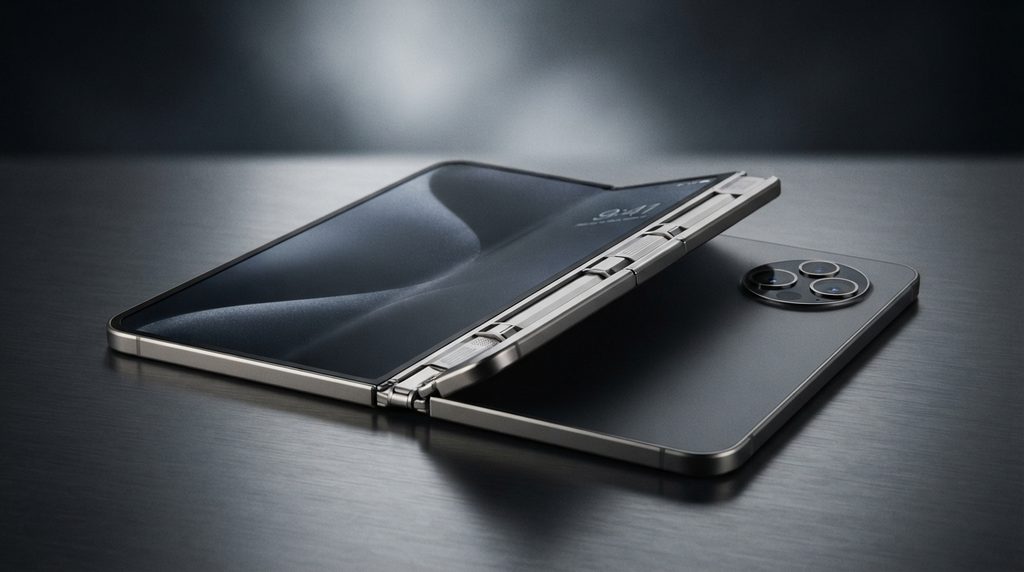
Multiple current reports expect Apple to introduce its first foldable smartphone alongside the premium iPhone generation.
The product has been referred to unofficially by names such as iPhone Fold and iPhone Ultra, but its final branding remains uncertain.
Reports have described a book-style device with a compact external screen and a much larger tablet-like internal display when unfolded. (MacRumors)
If Apple actually launches such a product, it would represent one of the most significant changes to the physical concept of the iPhone since the original device.
The traditional iPhone 18 Pro would continue improving a familiar formula.
The foldable would create an entirely different category.
Why Apple Has Taken So Long to Enter the Foldable Market
Apple would be entering the foldable smartphone market years after several competitors.
That does not necessarily mean the company is late.
Early foldable smartphones demonstrated the potential of flexible displays but also exposed significant compromises.
Visible screen creases, bulky hinges, thick bodies, durability concerns, dust resistance and extremely high prices all created obstacles.
Apple often waits until an emerging technology becomes mature enough to support the user experience it wants to deliver.
The company’s challenge is therefore not simply producing a screen that folds.
The complete device needs to feel polished.
The hinge needs to be reliable. The internal display needs to survive repeated folding. Applications need to adapt intelligently between external and internal screens. Battery life needs to remain competitive despite the larger display area.
Most importantly, consumers need a compelling reason to pay a potentially substantial premium.
A foldable iPhone could combine smartphone portability with a larger canvas for multitasking, entertainment, reading, productivity and photography.
Whether that benefit justifies the expected price will depend heavily on Apple’s execution.
iPhone 18 Price: Could Apple’s Pro Models Become More Expensive?
Price remains one of the most uncertain parts of the iPhone 18 story.
Reports have suggested Apple could face pressure from rising component and memory costs, leading some analysts to predict higher pricing for premium models. Recent reporting has discussed potentially substantial increases, but these estimates are not official Apple pricing. (MacRumors)
Consumers should therefore avoid treating leaked price tables as confirmed information.
Apple’s final pricing depends on numerous factors, including manufacturing costs, component contracts, currencies, storage configurations, regional taxes and competitive positioning.
The presence of an ultra-premium foldable device could also change the structure of Apple’s lineup.
If a foldable iPhone occupies a dramatically higher price tier, Apple may have more flexibility in how it positions the conventional Pro and Pro Max.
Until Apple announces official pricing, the most useful approach is to focus on relative positioning rather than specific leaked numbers.
Will iPhone 18 Finally Become a True AI Smartphone?
The term “AI phone” has been used so frequently that it risks losing meaning.
Adding a few generative features does not necessarily transform a smartphone into an intelligent assistant.
The real transition happens when AI understands context and can safely perform useful actions across different parts of the device.
A genuinely intelligent smartphone could understand that a flight confirmation in your email relates to a hotel booking in another application, recognize an appointment in your calendar and calculate whether traffic will affect your arrival.
That requires deep integration.
The AI needs access to appropriate context while respecting permissions and privacy.
Apple’s advantage is its control over the hardware, operating system and custom silicon.
If the A20 generation substantially expands on-device processing capabilities, Apple could potentially perform more intelligent operations locally.
That could improve responsiveness while reducing the amount of sensitive information that needs to leave the device.
Privacy Could Become Apple’s Biggest AI Advantage
The most useful AI assistant would ideally know a great deal about its user.
Unfortunately, the information that makes an assistant useful is also highly sensitive.
Messages, photographs, contacts, emails, location history, calendar appointments and browsing activity can reveal enormous amounts about someone’s life.
That creates a fundamental tension between personalization and privacy.
Apple has spent years emphasizing privacy as part of its product strategy, and increasingly capable on-device processing could become an important advantage.
Some tasks can potentially be completed locally without transmitting all underlying information to external servers.
That does not eliminate every privacy concern.
Users still need clear permission controls, transparent processing and strong security.
But tighter integration between Apple’s hardware and software gives the company an opportunity to design AI functionality around a hybrid architecture where appropriate tasks happen locally and more computationally demanding operations use external infrastructure.
iPhone 18 vs iPhone 17: Is It Worth Upgrading?
Without final specifications and independent testing, declaring a definitive winner would be premature.
However, current information gives us a useful framework.
An iPhone 17 Pro owner probably should not expect the iPhone 18 Pro to feel like a completely different smartphone physically.
Instead, the potential improvements appear concentrated in areas such as processor efficiency, battery endurance, camera flexibility, display refinement and connectivity.
That may be compelling for technology enthusiasts, but annual upgrading increasingly produces diminishing returns.
Modern premium smartphones are powerful enough to remain useful for several years.
For someone using an iPhone 14, iPhone 15 or an even older model, the calculation could be completely different.
Several generations of cumulative improvements in cameras, processors, displays, battery management and connectivity can make an upgrade feel considerably more significant.
This is why upgrade recommendations should be based on the phone you currently own rather than simply whether the new model is technically better.
Should You Wait for the iPhone 18 Pro?
As of late August 2026, waiting makes sense for many people who are already considering an expensive flagship iPhone and do not urgently need a replacement.
The expected launch window is now extremely close.
Buying a premium previous-generation device immediately before the next generation appears could mean missing the opportunity to compare both products.
Waiting provides another advantage.
Once the new generation becomes official, consumers can evaluate actual specifications rather than rumors.
Independent reviewers can test battery endurance, cameras, thermal performance, connectivity and real-world speed.
Previous-generation models may also become more attractive if retailers adjust pricing.
The smartest buying decision is rarely based solely on anticipation.
Real-world testing matters far more than launch-event claims or leaked specifications.
Who Should Consider the iPhone 18 Pro?
The iPhone 18 Pro appears particularly interesting for users who care about photography, video creation, performance and long-term ownership.
Creators could benefit from the expected camera improvements.
Heavy smartphone users could benefit from efficiency and battery upgrades.
People coming from significantly older iPhones could experience substantial cumulative improvements.
Technology enthusiasts may simply want Apple’s newest hardware.
But someone who already owns a recent Pro model and is satisfied with its performance should not feel pressured to upgrade simply because another generation exists.
A premium smartphone should be considered a multi-year device.
The best upgrade cycle is the one that delivers a meaningful improvement for your actual needs.
Who Should Wait for the Standard iPhone 18?
Price-conscious buyers should pay particularly close attention to Apple’s rumored split launch strategy.
If the standard iPhone 18 really moves to spring 2027, consumers who do not need the most advanced cameras or maximum performance may benefit from waiting.
The Pro series is designed around premium features and premium pricing.
Many users simply need excellent battery life, a strong camera, reliable performance and several years of software support.
The standard iPhone traditionally delivers those fundamentals at a lower price than Apple’s Pro devices.
The key unknown is how Apple will differentiate the delayed standard model.
A later release could allow it to stand on its own rather than appearing as the less expensive alternative on Pro launch day.
iPhone 18 Could Change Apple’s Smartphone Strategy
The most fascinating part of the iPhone 18 generation may ultimately have less to do with an individual specification and more to do with Apple’s broader strategy.
A split release calendar would reshape how Apple markets the iPhone.
A foldable device would create a new ultra-premium category.
A20-series silicon could advance Apple’s control over performance and AI processing.
Variable-aperture photography could push the iPhone closer to traditional camera behavior.
Improved satellite connectivity could expand what a smartphone can do beyond conventional networks.
None of these developments exists in isolation.
Together, they suggest Apple may be preparing the iPhone lineup for a period where one annual smartphone family becomes several more clearly differentiated product categories.
Our Early iPhone 18 Review Verdict
Calling this a definitive iPhone 18 review would be misleading because the products have not yet undergone independent real-world testing.
The appropriate description is an early preview based on the strongest currently available information.
And from that perspective, the iPhone 18 generation looks unusually interesting.
The iPhone 18 Pro does not appear to depend on one dramatic redesign. Instead, Apple seems to be improving several fundamental areas simultaneously.
The A20 Pro could provide meaningful efficiency gains.
The camera system could gain physical aperture control.
Battery endurance could improve.
The display could become cleaner and more efficient.
Connectivity hardware could become increasingly Apple-designed.
Any one of those improvements alone might seem incremental.
Combined, they could produce a noticeably more refined smartphone.
And then there is the foldable.
If Apple introduces its first folding iPhone alongside the iPhone 18 Pro generation, the conventional Pro model could suddenly become the conservative choice in Apple’s premium lineup.
That would make 2026 one of the most strategically interesting iPhone years in a long time.
Frequently Asked Questions About the iPhone 18
When will the iPhone 18 be released?
Current reporting indicates that Apple is expected to introduce the iPhone 18 Pro and iPhone 18 Pro Max during its September 2026 premium launch cycle, while the standard iPhone 18 is expected later, around spring 2027. (MacRumors) Until Apple formally announces each model, exact retail availability should still be treated cautiously.
Will there be an iPhone 18 Pro Max?
Current reports consistently point toward both an iPhone 18 Pro and an iPhone 18 Pro Max. The Pro Max is expected to remain the larger premium option and could receive a larger battery. Some recent rumors also suggest that certain camera technology, potentially variable aperture, could be exclusive to the larger model, although reports remain conflicting. (MacRumors)
What processor will the iPhone 18 Pro use?
The iPhone 18 Pro generation is widely expected to use Apple’s A20 Pro chip, with reports pointing toward a new 2nm manufacturing process. The potential benefits include better performance-per-watt, stronger computational capabilities and improved energy efficiency. (MacRumors)
Will the iPhone 18 have a better camera?
The strongest camera rumor concerns the Pro generation and a variable-aperture main camera. Such a system could physically change how much light reaches the sensor and provide greater control over exposure and depth of field. However, Apple has not yet confirmed the feature. (MacRumors)
Will the iPhone 18 remove the Dynamic Island?
A smaller Dynamic Island has been widely rumored for the iPhone 18 Pro generation, potentially enabled by moving additional Face ID technology beneath the display. However, conflicting reports remain, so complete removal should not be assumed. (MacRumors)
Is Apple making a foldable iPhone?
Current reporting strongly points toward Apple’s first foldable iPhone joining the premium 2026 generation, although the final product name and specifications remain unconfirmed. (MacRumors)
Should I buy an iPhone 17 or wait for the iPhone 18?
If you urgently need a phone, buying a current device can still make sense, particularly at a substantial discount. If you are already considering an expensive Pro model and can wait, the next launch is close enough that comparing the new devices and independent reviews first is the more informed approach.
Final Thoughts
The iPhone 18 generation could represent much more than another routine annual smartphone refresh.
Apple appears to be moving toward a more complicated iPhone strategy in which premium models launch first and mainstream devices receive a separate release window.
At the same time, the technology inside the devices continues to evolve.
The A20 Pro could push Apple into a new generation of 2nm smartphone computing.
Variable aperture could give mobile photographers more genuine optical flexibility.
Battery and display efficiency improvements could produce benefits consumers notice every day.
A new modem could give Apple greater control over another fundamental component.
More capable local processing could make artificial intelligence increasingly integrated into the operating system rather than appearing as a collection of isolated features.
And Apple’s first foldable smartphone could introduce an entirely new branch of the iPhone family.
There is still an important reason for caution.
Rumors are not specifications.
Apple can change features, pricing, colors and product positioning before launch, and independent testing remains essential before reaching any definitive conclusions.
For that reason, this article should currently be considered an iPhone 18 preview, not a final review.
But based on the strongest information available in August 2026, Apple’s next iPhone generation has the potential to be significantly more interesting than a predictable processor-and-camera refresh.
The biggest question may no longer be whether the iPhone 18 Pro will be better than its predecessor.
It almost certainly should be.
The more interesting question is how Apple plans to redefine the iPhone lineup around it.